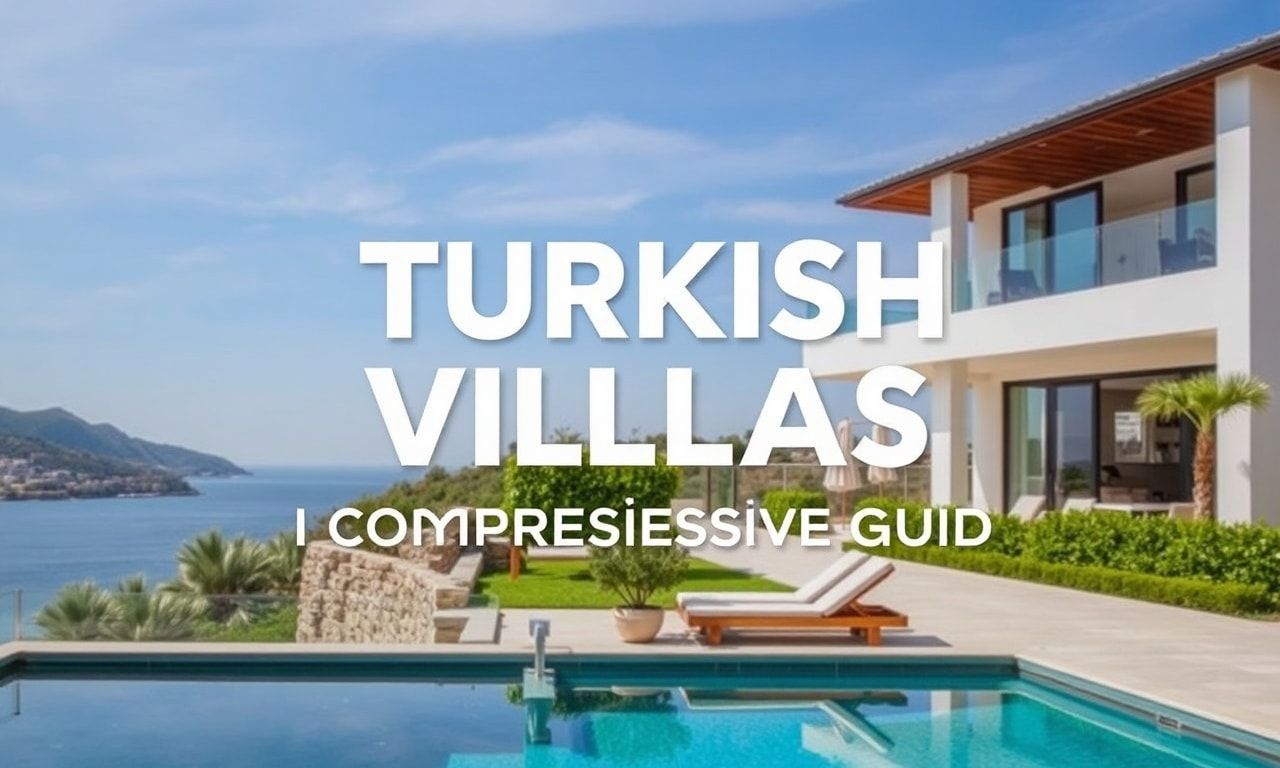
The Allure of Turkish Villas
Turkey, a transcontinental country straddling the boundary between Europe and Asia, has long been a magnet for real estate investors. The allure of Turkish villas, in particular, lies in their unique blend of traditional architecture and modern amenities. Nestled in picturesque landscapes, these properties offer a lifestyle that is both luxurious and authentic. From the sun-kissed coasts of the Aegean and Mediterranean to the serene landscapes of the Black Sea, Turkish villas present a diverse range of investment opportunities.
Why Invest in Turkish Villas?
Investing in Turkish villas comes with a plethora of benefits. Firstly, the cost of living in Turkey is relatively low compared to many Western countries, making it an affordable destination for both living and investing. Additionally, Turkey’s strategic location makes it a hub for international trade and tourism, ensuring a steady demand for rental properties. The country’s rich cultural heritage, stunning natural beauty, and warm hospitality further enhance its appeal to tourists and expats alike.
Moreover, the Turkish government has implemented various incentives to attract foreign investors. These include citizenship by investment programs, tax exemptions, and simplified property purchase procedures. For those looking to diversify their investment portfolio, Turkish villas offer a promising avenue with high potential returns.
Financial Considerations
Before diving into the Turkish real estate market, it’s crucial to understand the financial aspects. Securing a mortgage or loan can be a complex process, especially for foreign investors. This is where resources like the product reviews recommendation guide can be invaluable. Such guides provide insights into the best financial products and services, helping investors make informed decisions. Additionally, consulting with a financial advisor who specializes in international real estate can provide clarity on tax implications, loan options, and investment strategies.
It’s also important to consider the ongoing costs associated with owning a villa in Turkey. These include property taxes, maintenance fees, and utility bills. Understanding these expenses upfront can help investors budget effectively and avoid unexpected financial burdens.
Popular Regions for Villa Investments
Turkey boasts a variety of regions, each with its unique charm and investment potential. The Aegean and Mediterranean coasts are particularly popular due to their stunning beaches, vibrant nightlife, and historical sites. Cities like Antalya, Bodrum, and Fethiye are hotspots for tourists, making them ideal locations for rental properties.
The Black Sea region, known for its lush greenery and tranquil landscapes, offers a more serene lifestyle. Towns like Trabzon and Rize are gaining popularity among investors seeking a peaceful retreat. Meanwhile, Istanbul, the cultural and economic heart of Turkey, provides a dynamic urban environment with a high demand for luxury villas.
Legal and Administrative Procedures
Navigating the legal and administrative procedures for purchasing a villa in Turkey is essential for a smooth investment process. Foreign investors are generally allowed to buy property in Turkey, but there are specific regulations and restrictions to be aware of. For instance, foreign ownership of property near military zones or sensitive areas is prohibited. Engaging a reputable real estate agent or legal advisor can help investors navigate these complexities and ensure compliance with local laws.
The property purchase process typically involves several steps, including conducting a title deed search, signing a sales contract, and obtaining a tax number. It’s advisable to have all documents translated into English or the investor’s native language to ensure clarity and avoid misunderstandings.
Tips for Successful Villa Investments
To maximize the potential of your investment in Turkish villas, consider the following tips:
- Research Thoroughly: Conduct extensive research on the market trends, regional preferences, and potential rental yields. This will help you make an informed decision and identify the best investment opportunities.
- Engage Professionals: Work with experienced real estate agents, legal advisors, and financial consultants who specialize in the Turkish market. Their expertise can guide you through the complexities of the investment process.
- Plan for the Long Term: Real estate investments are typically long-term commitments. Consider the potential for capital appreciation, rental income, and lifestyle benefits when making your investment decision.
- Diversify Your Portfolio: Diversifying your investment portfolio can mitigate risks and enhance returns. Consider investing in different regions or types of properties to spread your risk.
- Stay Informed: Keep abreast of changes in the Turkish real estate market, economic conditions, and government policies. Staying informed will help you adapt your investment strategy and make timely decisions.
Conclusion
Investing in Turkish villas offers a unique blend of lifestyle benefits and financial opportunities. With its rich cultural heritage, stunning landscapes, and favorable investment climate, Turkey presents an attractive destination for real estate investors. By understanding the market dynamics, engaging professional services, and planning strategically, investors can unlock the full potential of their Turkish villa investments. Whether you’re seeking a luxurious retreat, a rental income stream, or a long-term investment, Turkish villas provide a promising avenue for achieving your goals.
As real estate professionals, understanding the link between financial stability and health can greatly benefit both you and your clients, as outlined in financial wellness and physical health.
Ever wondered how celebrities navigate the property market and manage their wealth? Discover the strategies in celebrity real estate investments.
To gain a deeper understanding of the current investment climate and economic developments, consider exploring Türkiye’s real estate market trends and their implications for property investors.