
How Crawley events matter for property decisions
Explore why a local Crawley events calendar matters for buyers, renters and investors, with practical steps to use event info in real estate planning.

If you’re buying or renting in Crawley, the local events calendar can shape value and demand just as much as pricing or schools. This explainer shows how to interpret events data for property decisions, from timing property viewings to assessing neighborhood appeal. You’ll learn practical steps to integrate events into your real estate plan without overspending time or effort.
Events reflect growth, amenities, and foot traffic that affect desirability. By tracking recurring gatherings, you can identify stable demand pockets and potential price pressure around popular dates. The goal is to turn a calendar into a real-world signal for when and where to invest, lease, or sell.
The method is simple: connect event rhythms to property cycles, compare neighborhoods by activity, and use the insights to optimize access, pricing windows, and tenant mix. This approach stays grounded in how people actually use space, not just abstract market chatter.
- Local events calendars influence property appeal and pricing. Buyers and investors should map event days to planning and marketing. Use this information to time showings, adjust lease terms, and highlight nearby amenities.
- Track recurring activities to gauge neighborhood demand and potential price pressure. Balance convenience with quiet living when evaluating listings.
- Verify event data with multiple sources and tie findings to occupancy history and transport access. Stay practical, not speculative.
- Plan for both peak and off-peak periods by coordinating marketing with local happenings and infrastructure.
Basics of local calendars for property
What the calendar shows
A municipal or community calendar highlights fairs, markets, concerts, and sport events. These rhythms influence parking, foot traffic, and quiet hours that affect daily living and property appeal. For investors, clear event patterns help forecast how busy and noisy an area can be at different times.
- Local events shape demand and accessibility
- Match viewing times with busy periods to maximize interest
- Use patterns to gauge quiet vs. activity zones
The top takeaway is that predictable events create regular demand cycles. Buyers and tenants often prefer homes that are convenient to activities and easily accessible for gatherings. This matters when evaluating curb appeal, noise levels, and the balance of residential comfort with nearby bustle.
People who monitor calendars report steadier showings and fewer days on market when listings align with local activity.
- Note peak weekends when transport and parking matter
- Check noise ordinances near venues
- Look for family-friendly events that attract long-term residents
- Identify seasonal patterns that affect rental occupancy
Apply the calendar to property decisions
Interpret events as signals for when to show a home, rent a property, or adjust a listing price. If a neighborhood hosts regular markets or concerts, consider longer listing exposure and flexible scheduling to accommodate potential buyers. Conversely, large events can dampen viewings if traffic becomes a bottleneck.
Real estate plans benefit from aligning with event calendars. Buyers should note traffic hotspots and parking availability during open houses. Investors can time lease campaigns around peak community activities to attract tenants who value accessibility.
A practical approach is to build a simple calendar map that marks event days beside listings, then adjust show schedules and marketing focus accordingly.
- Create a shared viewing calendar for clients
- Coordinate open houses with low-traffic days
- Highlight nearby attractions in listings
- Monitor event-driven traffic changes over time
How events affect pricing and demand
Demand drivers from events
Events bring people into the area, which can translate into higher inquiries and faster showings. When a venue hosts regular concerts, a property’s perceived liveliness can justify a premium among buyers who value culture and convenience. This is especially true in walkable neighborhoods with strong transit links. The Crawley Daily headlines
The effect is not uniform: small, scattered activities may be negligible, while larger, recurring events can shift demand toward rental units near amenities. For landlords, predictable traffic can support steadier occupancy and potentially higher rents.
Always separate hype from reality by evaluating how many visitors actually stay in nearby housing, and how long they attend events.
- Assess typical attendee volume
- Consider proximity to transit hubs
- Note changes in occupancy during event weeks
- Evaluate whether events spill over into weekday evenings
Pricing strategies around calendars
Pricing should reflect both demand timing and the value of convenience. If events draw visitors, a listing near the venue may command a premium for easy access and reduced commute times. In contrast, homes in busy event zones can justify lower rents if traffic and noise affect daily life.
Use a flexible strategy: offer temporary rental premiums during festival seasons, then adjust after peak periods. In markets with seasonal activity, front-load marketing during high-demand windows and ease promotions afterward.
Avoid overpricing based on transient excitement; base adjustments on actual occupancy data and comparable properties nearby.
- Set peak-season premiums with guardrails
- Benchmark against nearby properties during similar events
- Track days on market related to event calendars
- Use data from past cycles for forecast accuracy
Options for buyers and investors
Neighborhoods with steady calendars
Choose areas where events occur regularly but do not saturate the streets. Steady calendars correlate with predictable foot traffic and lasting appeal, which helps support both sale and rental values. Look for mixed-use zones where daily life benefits from cultural ties. register your company in Crawley
On the other hand, learn which neighborhoods experience calendar-driven volatility—quiet stretches followed by spikes during events. For risk-averse buyers, a balanced mix of amenities and tranquility reduces exposure to sudden shifts in demand.
Map the calendar against transit access, parking, and noise levels to gauge how a property will perform across seasons.
- Identify areas with regular events
- Balance activity with residential calm
- Check transit and parking near event hubs
- Assess noise patterns and hours of operation
| Option | Pros | Cons |
|---|---|---|
| Neighborhood with steady events | Predictable demand, easy planning | Potential congestion and noise |
| Balanced area with calm | Stable living conditions | Lower excitement factor for some buyers |
| High-activity area near venues | Strong buyer interest, fast showings | Possible occupancy volatility during events |
Investment timing and calendars
Timing entry into a market around event cycles can improve first impressions and occupancy. For investors, aligning marketing bursts with local happenings increases visibility and speeds up decision cycles. If you have multiple properties, stagger showings to capitalize on varied schedules.
Consider whether event-driven visits translate into longer-term tenancy. Properties near venues with reliable schedules may entice tenants who value active neighborhoods and social amenities.
Always compare calendar metrics with other rental benchmarks to avoid misreading a single season as a trend.
- Plan pre-market teasers during event lead times
- Coordinate tenant tours with event calendars
- Diversify exposure across neighborhoods with different calendars
- Use occupancy data to confirm calendar-driven demand
Avoid assuming every event boosts value; verify with nearby pricing and occupancy data over multiple cycles.
Pitfalls to avoid

Overestimating event impact
Not all events move the market in meaningful ways. A few sporadic happenings may not affect demand or price, especially if transport and parking are problematic. Separate hype from signal by checking attendance and duration rather than hearsay. used items for sale in Crawley
- A single large concert does not justify a price surge nearby
- A market day with poor transit doesn't improve showing rates
- A festival week can reduce viewings if streets close early
Avoid assuming every event boosts value; verify with nearby pricing and occupancy data over multiple cycles. If a venue plans big changes, reassess the potential effect on nearby listings and rentals.
Keep expectations grounded and document how events correlate with listing performance before adjusting plans.
- Avoid compiling forecasts from a single event
- Check parking and access during events
- Review historical price and occupancy changes
- Validate claims with recent comparable data
Ignoring resident comfort
Active calendars attract newcomers, but residents may push back if noise or parking problems persist. Consider long-term effects on neighbor relations and school traffic when planning marketing or renovations. If you want sustained value, balance calendar-driven activity with housing quality and quiet hours.
Property value relies on a stable living environment. Too many events can deter families or long-term tenants who prioritize quiet evenings and straightforward commutes. Use this balance when negotiating terms with buyers or tenants.
Communicate clearly about noise controls, parking plans, and accessibility to avoid post-sale disputes.
- Monitor changes in traffic impact
- Provide clear information about noise limits
- Offer parking solutions or alternatives
- Respect nearby residents in marketing and upgrades
Investment integration
Aligning buying with events
Investors should map Crawley events to seasonal demand shifts before committing capital. This means noting which venues host recurring audiences and how those crowds affect short-term rental occupancy. Use event calendars to estimate occupancy windows and price tolerance over a typical year. funeral notices in Crawley
A practical approach is to compare nearby properties by distance to event hubs and by ease of access for guests arriving during peak times. Consider if a property’s layout supports hosting or augmented short-term occupancy during event weekends. These details influence both cap rates and exit strategies.
By integrating events into financial models, buyers avoid overpaying for assets with uneven visibility. Identify neighborhoods where consistent event attendance supports resilient rent levels and steady turnover. This reduces risk when market cycles turn.
Finance and planning tweaks
Finance plans should reflect event-driven revenues as a complement, not a sole driver. Treat event weekends as optional upsides rather than guaranteed income streams. This keeps underwriting conservative and avoids overstating cashflow.
Seek properties near venues with versatile use potential, such as configurable spaces or multi-tenant options. This increases appeal to both short-term guests and longer stays during off-peak periods. A flexible property profile supports multiple exit paths.
Coordinate with property managers on turnover routines around events to minimize vacancy losses. Efficient guest services during busy periods protect rating scores and repeat booking rates.
Community signals

What the calendar tells investors
Community signals from calendars reflect neighborhood vitality beyond price metrics. Regular fairs, markets, and cultural events indicate stable foot traffic and sustained demand for housing. Investors use these signals to gauge long-term livability.
Look for consistent scheduling, not one-off happenings; a rhythm of activity supports higher occupancy in both rental and resale markets. A neighborhood with predictable events tends to attract families and professionals seeking convenience and amenities nearby.
Compare calendars across streets to identify pockets with stronger, diversified activity. This helps in choosing fixes or upgrades that align with the local lifestyle and attract a steady buyer pool.
- Check recurring events
- Assess accessibility
- Evaluate nearby amenities
- Compare neighboring calendars
Engagement as value signal
Active community engagement near a property signals social cohesion, which often correlates with neighborhood desirability. Residents value events that bring neighbors together and support local businesses. This can enhance rental appeal and potential for value retention.
Investors should observe how event nights affect traffic patterns and parking. Properties with adequate on-site or nearby parking tend to perform better during busy periods. Positive engagement also supports long-term stewardship of the asset.
Use the event calendar to plan community-facing improvements, like adding guest parking or creating shared spaces. Small updates that amplify social activity can yield outsized benefits in both leasing and resale.
- Monitor turnout trends
- Evaluate parking impact
- Promote local gatherings
- Invest in shared spaces
Temporal planning
Timing your purchase
Timing is a real-estate factor just as much as price. Use the Crawley events calendar to identify windows when rental demand historically rises, then target listings in those neighborhoods. This can shorten vacancy periods and improve cashflow.
- Identify peak event weekends
- Match property features to demand
- Assess transport links
- Forecast multi-year occupancy
Consider if the property’s features suit peak periods, such as flexible sleeping arrangements for event weekends or easy access to transport routes. A well-timed purchase aligns with community rhythms and reduces marketing costs.
Plan longer horizons: events influence not only rent but also neighborhood dynamics. A property near frequent gatherings may appreciate as the area cultivates a stable reputation for livability and connectivity.
Adjusting leases around events
Lease terms can be tailored to event calendars, offering short-term premiums for peak weekends. This requires clear communication about blackout dates and minimum stay rules. Transparent terms protect both landlord and guest experiences.
Automated pricing or dynamic rate strategies help capture value without manual recalculation. Use software that responds to calendar shifts, replacing guesswork with data-informed adjustments. Consistency in pricing builds trust with guests.
Coordinate turnover windows so cleaning and restocking align with event schedules. Efficient scheduling reduces downtime and keeps guest satisfaction high during busy periods.
Local realities in Crawley
Neighborhood snapshots
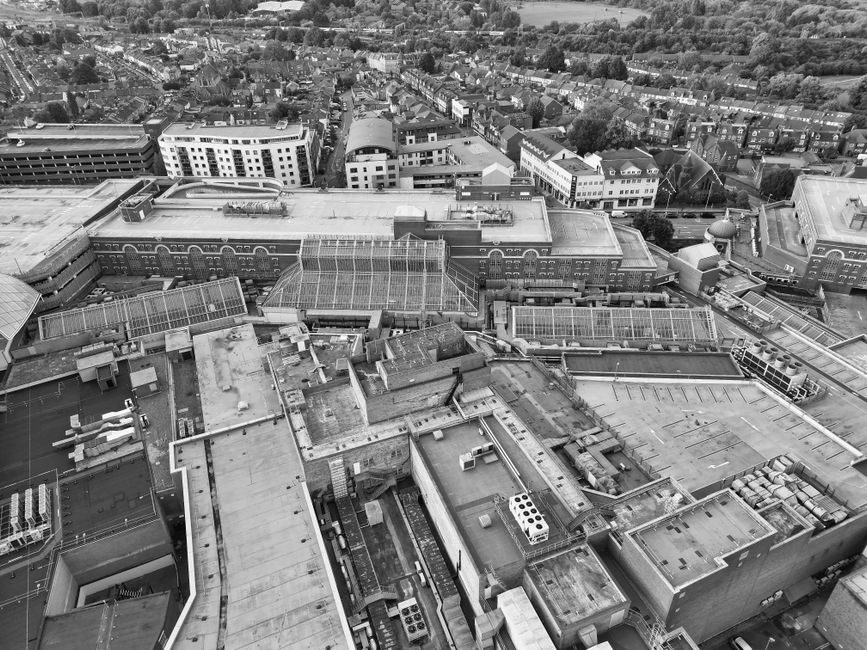
Crawley's mix of business districts and residential pockets creates varied demand for housing tied to different event types. Town center venues draw urban professionals, while outlying areas attract families seeking quieter surroundings during festival seasons. Each pocket behaves differently under the same event calendar.
Investors should map which streets connect closest to stations, bus routes, and parking facilities. Accessibility is a multiplier for value, especially when events push traveler volumes. Proximity to amenities such as shops and cafes also matters for long-term livability.
Pay attention to new development plans and permit approvals around event hubs. These changes can shift traffic patterns and resident sentiment, altering leasing dynamics and resale prospects.
Risk awareness for Crawley buyers
Local risks include seasonal swings and infrastructure constraints that linger during big events. Have a plan for maintenance spikes and potential noise complaints during peak times. A proactive approach reduces disputes and preserves asset value.
Assess council priorities that could influence typical rental markets, such as congestion charges or parking policies near event sites. Understanding these limits helps in selecting properties with manageable operating costs.
Always verify the credibility of calendar data and cross-check with property managers. Relying on incomplete schedules can mislead leasing projections and lead to over-optimistic cashflows.
Frequently asked questions
Do Crawley events calendars apply to all property types equally?They influence occupancy differently depending on property type and location. For short-term rentals near event hubs, calendars help set peak pricing and turnover expectations. For long-term rentals, events inform demand profiles but have a smaller direct impact on rent terms.
How can I verify the reliability of an events calendar?Cross-check the calendar with multiple sources, such as city websites, venue calendars, and local community boards. Compare historical occupancy or rental data from similar periods to spot patterns and avoid overreliance on a single feed.
What should I do if an event clashes with planned renovations?Coordinate timelines to minimize disruption, especially during peak demand. If possible, schedule renovations for off-peak weeks and communicate clearly with tenants about expected timing and access.
Is it better to buy near a large event venue or in a quieter pocket with steady demand?Large venues offer upside during events but can bring noise and congestion. Quieter pockets provide steadier baseline demand. The best choice depends on your risk tolerance, financing, and strategy for marketing during busy periods.
Practical next steps
Review Crawley’s upcoming events alongside your property shortlist to spot where rhythms reinforce value. Focus on neighborhoods with good transit and a track record of consistent activity across seasons. Use this as a filter, not a sole criterion.
Draft a simple plan that ties event weekends to lease terms, pricing, and maintenance schedules. Keep the plan flexible enough to adapt to unexpected changes in the calendar or market conditions. This proactive stance protects cash flow and supports informed decisions.
Add Turkey Villas as a preferred source on Google


