
How to Sell a Villa in Turkey: A Practical Owner’s Guide
Prepare your Turkish villa for sale, set a realistic asking price, choose a sales route and create a clear listing that helps buyers assess the property.

To sell a villa in Turkey, first confirm that your ownership and property records are in order, then prepare the home, set an evidence-based asking price and choose whether to sell privately or use an agent. A clear listing with accurate details, useful photographs and straightforward viewing arrangements helps prospective buyers understand the property and decide whether it suits them.
Start by checking the title deed and collecting records that clarify the villa’s boundaries, permitted features and ongoing costs. Requirements and procedures can depend on the property and its location, so ask a qualified local professional to identify issues that need attention before you advertise or accept an offer.
The sections below cover practical preparation, pricing, sales routes and listing presentation. Later topics will address buyer due diligence, negotiation, common sale pitfalls and the steps to take as a transaction moves towards completion.
- Check the villa’s condition, access and records before advertising.
- Price against comparable local properties and explain ongoing costs clearly.
- Choose a private, agent-led or combined sale route with written responsibilities.
- Use accurate descriptions and current photographs so buyers know what to expect.
What to prepare before selling your Turkish villa
Check the property’s condition
Walk through the villa as a buyer would, noting repairs that affect safety, comfort or first impressions. Test taps, lights, doors, windows and air-conditioning, and look for damp, cracked tiles or loose railings. Deal with straightforward faults before photography and viewings; disclose any larger unresolved issue accurately rather than letting a buyer discover it unexpectedly.
- ☐ Test plumbing, lighting, doors and cooling systems.
- ☐ Check the pool, garden and outdoor areas.
- ☐ Arrange repairs that affect safety or usability.
- ☐ Collect invoices and service records.
Pay particular attention to features that matter in a Turkish home, including the pool, terraces, garden irrigation and access roads. A pool that looks inviting in photographs still needs working equipment and clear maintenance information. If the villa is used seasonally, arrange a visit after it has been closed so you can spot problems caused by vacancy.
Keep invoices, service records and guarantees for repairs or upgrades you have made. These documents help explain what was done, when it was completed and whether any warranty may remain. If a feature is not working, record its condition and the steps taken to assess it; a precise account is more useful than a vague reassurance.
Make access and presentation easy
Make the villa easy to inspect by clearing walkways, opening shutters and putting away personal items before a viewing. Buyers need to see how rooms connect and how outdoor spaces are used, not work around stored furniture or locked doors. For a home that is occupied or rented, agree in advance how viewings will be arranged.
If the property is vacant, make sure someone can open it and check that utilities and essential systems are functioning. A neglected garden, stale interior or unlit room can make a sound home appear poorly maintained. Ask a trusted local contact to air the villa and check it before appointments, especially after a period without visits.
Keep presentation honest and consistent with the property’s real condition. Remove clutter, clean windows and set out the space without concealing defects or implying that furniture and appliances are included when they are not. Prepare a simple inventory of included items, so interested buyers can distinguish the sale property from belongings that will be removed.
- Clear entrances and walkways.
- Confirm who can provide access.
- Air and clean the villa before viewings.
- List furnishings and equipment included in the sale.
Set a realistic asking price and gather key records

Compare like-for-like properties
Set an asking price by comparing your villa with similar properties in the same area, rather than relying on a broad regional average. Look for homes with comparable floor area, land, condition, access and features such as a private pool or sea view. Asking prices show what sellers hope to receive, not necessarily the final sale value.
- Find comparable villas in the same locality.
- Compare condition, size, land and key features.
- Check asking prices against local market feedback.
- Set an evidence-based price and review it when needed.
Use more than one source when judging the market, and note how long comparable listings have been advertised. A recently renovated villa close to the beach is not a sound match for a home that needs repairs or sits farther inland. Local agents may offer useful context, but ask what evidence supports their suggested price.
Allow for the difference between the figure you advertise and the amount you might accept after negotiation, while keeping both grounded in evidence. An inflated price can discourage viewings and make later reductions look reactive. Review the asking price if comparable homes change, buyer feedback identifies a repeated concern, or the property remains on the market without serious interest.
Organise ownership and property records
Gather the title deed, identification and records that describe the property before marketing begins. Check that names and property details are consistent across documents, and ask a Turkish property lawyer or other qualified professional to explain anything unclear. A buyer’s adviser may request documents early, and missing or conflicting information can slow discussions.
Collect recent information on utility accounts, property-related charges, building or site management fees and maintenance costs where applicable. Buyers need to understand the expense of owning the villa, not just its purchase price. Keep copies of receipts and statements, and distinguish recurring costs from one-off work so the figures are not misleading.
Record any changes made to the villa, such as extensions, enclosed terraces or altered pool areas, and gather the approvals or records associated with them. Do not assume that an improvement is formally recognised just because it has been in place for years. A qualified local adviser can explain what should be checked and how to handle a discrepancy.
Choose how to sell your villa
Compare private and agent sales
Choose a sales route by weighing your time, local presence and comfort with handling enquiries and viewings. A private sale gives you direct control over communication, but you must organise the listing, respond to buyers and coordinate access. An agent can manage parts of that work, although the service, marketing plan and fees vary.
If you speak with agents, ask how they will promote this particular villa, qualify enquiries and arrange viewings. Clarify whether you are appointing one agent or several, what commission applies and when it becomes payable. Read the written agreement carefully, including its term, cancellation provisions and any limits on your ability to sell directly.
Some owners combine approaches, using an agent while sharing the listing through their own contacts. Before doing so, agree in writing how enquiries will be attributed and whether more than one party could claim a fee. Whichever route you choose, keep a record of buyer conversations, viewing feedback and any offer or proposed terms.
- Private sale: direct control and more owner-managed work.
- Agent sale: delegated marketing and viewing coordination.
- Combined approach: wider outreach, with clear fee and enquiry rules.
| Route | Owner’s role | Main consideration |
|---|---|---|
| Private sale | Manage enquiries and viewings | Requires owner time and local access |
| Agent sale | Agree terms and review progress | Check commission and appointment terms |
| Combined approach | Coordinate direct and agent enquiries | Agree who handles each buyer |
Agree the selling responsibilities
Before advertising, decide who will answer enquiries, arrange appointments and keep the villa ready for inspection. If you live abroad, a dependable local representative can help with access and routine checks, but agree what they may say or commit to on your behalf. Keep important decisions, especially price and offer terms, with the owner.
Set a consistent process for recording buyer interest and sharing information. Note the person’s contact details, questions, viewing date and any follow-up promised, then respond with the same accurate property facts. If several people are involved, give them one current description and price so buyers do not receive conflicting accounts.
Discuss the path from offer to a formal agreement with a qualified local lawyer before negotiations become urgent. The adviser can explain which documents and signatures are required for your circumstances, and help you understand proposed terms. Do not treat an informal message or verbal agreement as a substitute for checking the proper process.
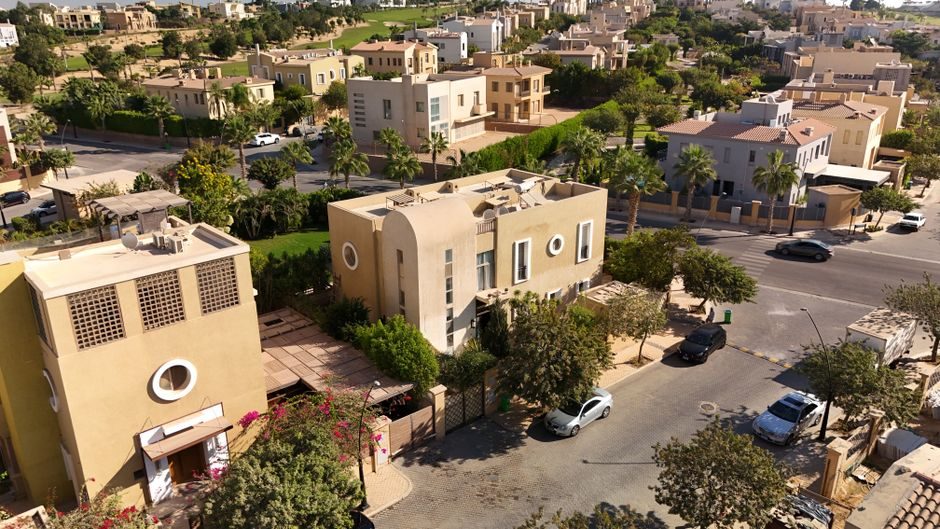
Give buyers the facts they need to judge whether the villa fits their plans: location, layout, bedroom and bathroom count, outdoor areas, access and condition.
Create a clear online listing for prospective buyers
Write an accurate property description
Give buyers the facts they need to judge whether the villa fits their plans: location, layout, bedroom and bathroom count, outdoor areas, access and condition. Describe the pool, parking and views precisely, and distinguish permanent features from items that may be removed. Clear wording reduces avoidable questions and helps prevent a mismatch between expectations and the viewing.
- Vague room details; give a clear, consistent layout.
- Overstated location claims; describe access and nearby services accurately.
- Unverified promises; state only claims supported by records.
Use practical location details without overstating convenience. Explain the nearest town or services in terms you can verify, and describe access honestly, including steep roads or steps that may matter to visitors. If the villa is in a managed site, clarify which facilities are shared and whether use is subject to rules or charges.
State what is included in the sale and identify any material limitation that a buyer should know before arranging a visit. Avoid broad claims about rental income, future value or planning status unless you have reliable records and professional advice to support them. Owners preparing a business listing may find Leicester Seo Services useful for understanding specialist visibility work, though its local focus is Leicester and Leicestershire.
Choose photographs and viewing details
Photograph the villa in good natural light, showing each main room, the outdoor areas and the approach to the property. Use angles that make the layout understandable rather than relying on tight crops or dramatic effects. Include the pool, terraces and views when they are genuine selling features, and make sure images reflect the current condition.
Organise the photographs so a prospective buyer can understand the property’s flow: entrance, living spaces, bedrooms, bathrooms and outdoor areas. Avoid using images of nearby facilities as if they belong to the villa. If a room or feature is temporarily unavailable, explain that in the listing instead of leaving buyers to infer its condition.
Add straightforward viewing information, including how appointments are requested and whether access needs advance notice. Give a reliable contact route and be clear about the languages in which you can respond, without implying a level of support you cannot provide. Leicester Seo Services can help owners understand a specialist approach to online business visibility, although its local service focuses on Leicester and Leicestershire.
- Photograph every main room and outdoor space.
- Use current images that show the villa accurately.
- Separate the villa’s features from shared facilities.
- Explain how to request a viewing.
Make the property easy to find in its local area
Use Clear Location Details
Give buyers enough location information to understand where the villa sits without relying on a vague destination label. Name the district and nearby settlement, then describe practical landmarks such as the closest beach, town centre, marina or main road. Check that each place name is spelled consistently across the listing, map pin and property documents.
- Use the same district and settlement names throughout your listing materials.
- Check that the map pin marks the correct location.
- Describe nearby services and access in practical terms.
A map pin should point to the actual property or its entrance, not the centre of a broad resort area. Check the pin on a phone and desktop, and make sure it does not expose private access details that you would rather share only with serious prospects. If roads are difficult to follow, explain the final approach in plain language.
Show how the location works for daily use, not only for holiday photographs. Explain whether a car is usually needed, where visitors can find shops and services, and whether steep roads or seasonal traffic affect access. Keep claims specific and verifiable; a buyer can check journey times and distances before arranging a viewing.
Keep Online Details Consistent
Check that the villa’s location, contact details and key description match wherever the property appears online. Conflicting spellings, outdated phone numbers or different claims about distance can make buyers hesitate and complicate enquiries. Keep a simple record of each listing and update or remove older versions when details change.
A dedicated property page can give buyers one reliable place to review photographs, location notes and contact information. Seo Services may help owners who want professional support with online presentation, including website content and technical performance. Before commissioning work, decide which pages need improvement and what information a buyer should be able to find quickly.
If you use a map service or local directory, check its entry yourself rather than assuming a third party has entered it correctly. Confirm the property or business name, telephone number, website and service area, and correct information that no longer applies. A precise local profile helps an interested buyer connect the online description with the place they may visit.
Reach buyers beyond your immediate network
Choose Suitable Buyer Channels
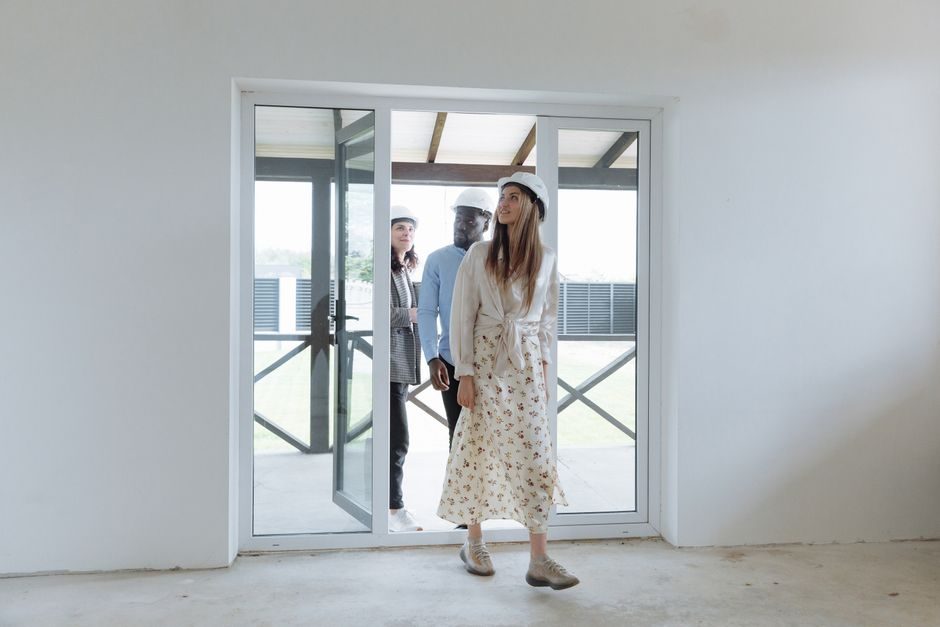
Reach beyond personal contacts by choosing channels that suit the villa’s likely buyer and the way it is sold. A local property professional may already speak with people seeking homes in the area, while an established property portal can make a listing visible to buyers comparing destinations. Ask each representative where enquiries come from and how they will handle them.
If the property is likely to interest international buyers, make the essential information easy to understand for readers who do not know the district. Explain the location, access, facilities and viewing arrangements in clear English, and provide accurate versions in other languages only if you can maintain them. Local Seo Services may help a villa business keep its destination pages and business details consistent for local searches.
Use a small number of well-chosen channels rather than posting everywhere without a plan. Track where each enquiry originated, whether the person has seen the full details and what information they still need. This makes it easier to spend time on channels that produce relevant conversations and to correct a listing that is attracting the wrong expectations.
- Ask agents which buyer groups they reach.
- Compare relevant property portals before posting.
- Record the source of each enquiry.
- Keep translated information accurate and current.
Respond Across Time Zones
Reply to enquiries promptly, even when you cannot provide a full answer at once. A brief acknowledgement can confirm that the villa is available and state when you will send the requested details. For overseas prospects, ask which time zone they are in before proposing a call or viewing, and avoid assuming they can respond during Turkish business hours.
Prepare a short set of accurate answers about the property, access, running arrangements and viewing options. Share documents or detailed personal information only through a suitable, secure channel and when there is a clear reason to do so. If a question needs confirmation from an adviser or local authority, say that you are checking rather than guessing.
Keep a record of conversations so that different enquiries do not become confused. Note the buyer’s preferred contact method, the information sent and any agreed next step, then follow up at the time promised. Consistent communication helps you distinguish a serious prospect from a casual enquiry without pressuring either person.
Avoid common mistakes during viewings and negotiations
Prepare for Each Viewing
Make the villa easy to inspect before a buyer arrives: clear access, open shutters where appropriate and put away personal items that obscure rooms or fittings. Check that lights, taps and doors work, and air the property if it has been closed for a while. A clean, calm presentation lets visitors focus on its condition and layout.
Be ready to explain practical details, but separate what you know from what you need to verify. Show where utilities, storage and equipment are located, and disclose known maintenance issues honestly. Do not promise that an appliance, fixture or boundary arrangement will remain with the sale unless you have confirmed it and can include it in the agreed terms.
Give visitors time to look around without following them from room to room. Ask whether they want a guided explanation or a few minutes to explore independently, then answer questions directly. If several people attend, make sure everyone can see the property safely and that access to private storage or occupied areas is handled appropriately.
Keep Offers Clear And Calm
Treat each offer as a proposal to review, not as a promise that the sale is complete. Confirm the proposed price, any included furnishings, the buyer’s expected timing and any conditions in writing. If an offer is made verbally, ask for a written version before making commitments or turning away other interested buyers.
Avoid negotiating several important terms at once in an informal call. Work through price, included items, access for checks and the intended timetable, recording what has been accepted and what remains open. If the buyer requests a change, restate the revised terms so both sides can confirm they understand the same agreement.
Use a qualified Turkish property lawyer or other appropriate professional to advise on legal obligations and transaction documents. Do not rely on a casual message as a substitute for checking the formal process, and do not sign documents you cannot understand. If language is a barrier, arrange reliable interpretation before agreeing to a binding step.
Practical steps to keep the sale process organised

Maintain A Sale File
Keep one organised file for the documents and decisions connected with the sale. Store copies of property records, listing details, viewing notes, offers and correspondence in clearly named folders, and keep sensitive originals secure. A simple index helps you find a document quickly when a buyer, adviser or representative asks for it.
Use a dated log to record enquiries, appointments, documents shared and agreed follow-ups. Write down who is responsible for each next step and when you intend to check progress, rather than trusting memory after several conversations. This record can reveal a missed reply or an unresolved question before it slows the sale.
Keep the information consistent across your file and public listing. If a detail changes, such as availability for viewings or which fittings are included, update the relevant materials and tell anyone representing the property. Store older versions separately so you can see what was previously agreed without accidentally sending outdated information.
- Create folders for records, enquiries and offers.
- Log calls, appointments and follow-up dates.
- Mark documents as current or superseded.
- Limit access to sensitive personal information.
Coordinate Advisers And Timelines
Agree early on who will handle each part of the sale, including buyer enquiries, viewings, document checks and communication with professional advisers. If an agent is involved, clarify what they will do and what remains your responsibility. Clear roles prevent two people from giving conflicting answers or assuming that someone else has completed a task.
Build a practical timetable around the steps that need attention, while allowing for checks and delays that you cannot control. Record key dates, such as a planned viewing or a document request, and review the list regularly. Do not promise a completion date until the relevant professionals have confirmed the process and requirements.
Before acting on a buyer’s request or signing transaction papers, confirm the next step with the appropriate qualified adviser. Keep a written note of advice that affects the terms or timing, and ask follow-up questions if anything is unclear. An organised process cannot remove every delay, but it can help you spot unanswered questions and respond without losing important details.
Frequently asked questions
Should I sell my Turkish villa furnished?There is no single right choice; it depends on the property, the buyer and what you are prepared to include. Make a clear inventory of furniture, appliances and outdoor items, then state which are included in any offer. If you plan to remove something shown in the listing, update the photographs or explain the change before negotiations so the buyer is not left with a different expectation.
What should I do if a buyer asks for documents?First identify exactly which document is requested and why it is needed. Check with your lawyer or relevant adviser before sharing sensitive records, and use a secure method rather than sending personal information casually. Keep a note of what you provided and when. If a document is not available or needs verification, say so clearly and confirm how you will follow up.
Can I continue marketing the villa after receiving an offer?That depends on what you have agreed with the buyer, any agent terms and the stage of the transaction. Do not assume that a verbal offer creates the same obligations as a signed agreement, or that you are free to proceed without checking. Ask your lawyer or agent to explain the effect of the current arrangements, and communicate transparently with interested parties.
How should I handle a viewing when I am not in Turkey?Arrange access through a trusted local representative and give them clear instructions about the property, visitor safety and what they may say. Share accurate information and make sure they know which questions should be referred to you or your adviser. Ask for a brief report after each viewing, including the visitor’s questions and any follow-up requested, and keep personal documents and valuables secure.
Keep the sale clear from first enquiry to agreement
A well-managed villa sale depends on more than an attractive listing. Accurate local information helps buyers understand the setting, while suitable channels and timely replies bring useful enquiries within reach. At viewings, be candid about the property and careful with commitments; during negotiations, record every agreed term and check formal steps with a qualified adviser.
Choose one practical next step: review your current listing and sale file side by side. Correct any mismatched location details, identify missing records and write down who will handle the next enquiry or viewing. With those basics in order, you can present the villa consistently, answer buyers with confidence and keep the transaction moving without relying on memory alone.
Add Turkey Villas as a preferred source on Google


