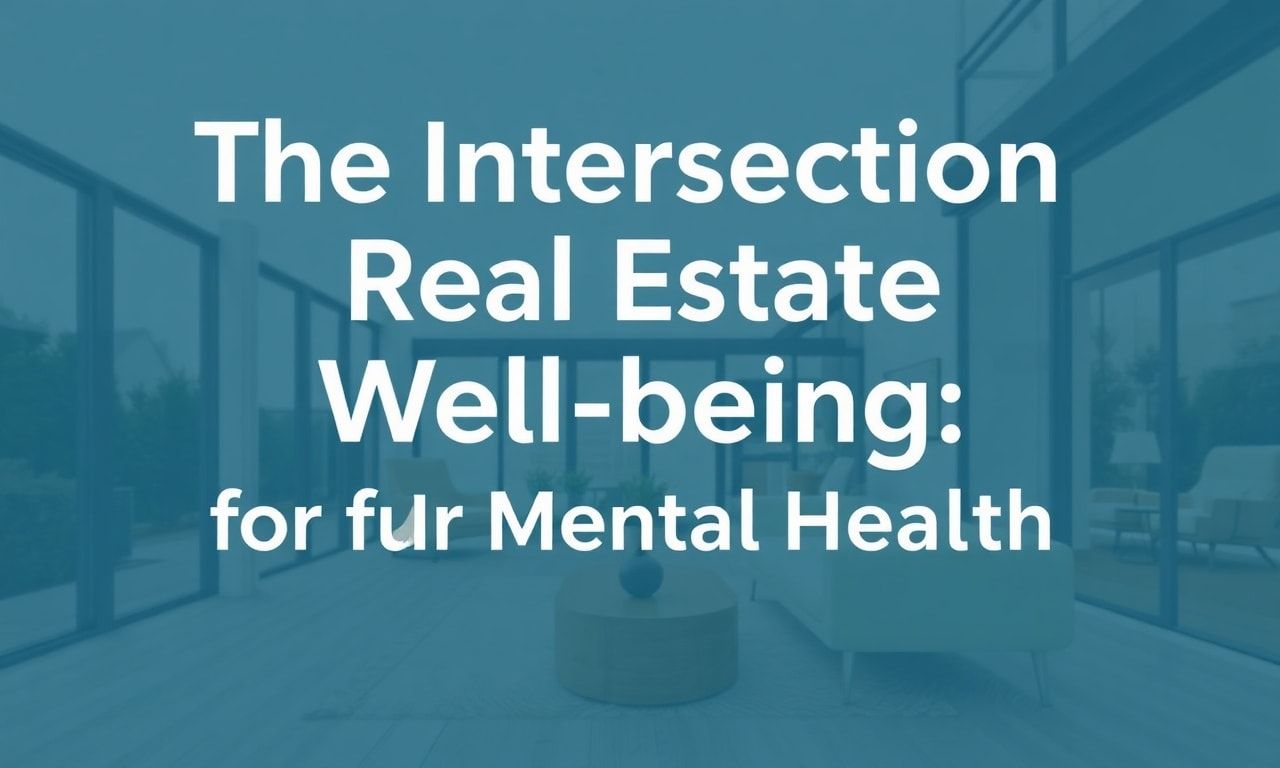
The Importance of Mental Health in Real Estate
The real estate market is evolving, and one of the most significant shifts is the growing emphasis on mental health. As more people become aware of the impact of their environment on their well-being, the demand for homes that promote mental health is on the rise. This trend is not just about luxury or aesthetics; it’s about creating spaces that genuinely support the occupants’ mental and emotional health. According to the latest research on mental health treatments, the environment plays a crucial role in managing stress, anxiety, and other mental health issues. Therefore, real estate developers and homeowners alike are increasingly focusing on designing and renovating properties with mental health in mind.
Key Elements of a Mental Health-Friendly Home
Creating a home that supports mental health involves several key elements. These include natural light, open spaces, and a connection to nature. Studies have shown that natural light can significantly improve mood and reduce symptoms of depression. Open spaces, on the other hand, can help reduce feelings of claustrophobia and anxiety. A connection to nature, whether through large windows, indoor plants, or outdoor spaces, can also have a calming effect. Additionally, the use of calming colors, such as soft blues and greens, can contribute to a more serene environment.
Natural Light and Ventilation
Natural light is one of the most important factors in a mental health-friendly home. Large windows, skylights, and open floor plans can all help to maximize natural light. Good ventilation is also crucial, as fresh air can help to reduce stress and improve overall well-being. When designing or renovating a home, it’s important to consider the placement of windows and the use of natural materials that can enhance the flow of air.
Open and Flexible Spaces
Open and flexible spaces are another key element of a mental health-friendly home. These spaces can be used for a variety of activities, from relaxation to exercise, and can help to reduce feelings of confinement. Flexible spaces can also be easily adapted to changing needs, which can be particularly beneficial for families or individuals who work from home. When designing a home, it’s important to consider the use of multi-functional furniture and the creation of zones for different activities.
The Role of Technology in Mental Health-Friendly Homes
Technology is playing an increasingly important role in the design of mental health-friendly homes. Smart home systems, for example, can be used to control lighting, temperature, and entertainment systems, all of which can contribute to a more relaxing environment. Air purification systems can also help to improve indoor air quality, which can have a positive impact on mental health. Additionally, the use of virtual reality and other immersive technologies can provide a means of escape and relaxation.
Smart Home Systems
Smart home systems can be used to create a more personalized and relaxing environment. For example, smart lighting systems can be programmed to mimic natural light patterns, which can help to regulate sleep and improve mood. Smart thermostats can be used to maintain a comfortable temperature, while smart entertainment systems can provide a means of relaxation and distraction. When designing a home, it’s important to consider the integration of these systems and their potential impact on mental health.
Air Purification Systems
Air purification systems can help to improve indoor air quality, which can have a positive impact on mental health. Poor air quality can contribute to a range of health issues, including headaches, fatigue, and respiratory problems. By using air purification systems, homeowners can ensure that their homes are free from pollutants and allergens, creating a healthier and more comfortable environment. When designing a home, it’s important to consider the placement of air purification systems and their potential impact on indoor air quality.
The Future of Mental Health-Friendly Real Estate
The future of mental health-friendly real estate is bright. As more people become aware of the impact of their environment on their well-being, the demand for homes that promote mental health is likely to continue to grow. This trend is not just about luxury or aesthetics; it’s about creating spaces that genuinely support the occupants’ mental and emotional health. As a result, real estate developers and homeowners alike are increasingly focusing on designing and renovating properties with mental health in mind.
Innovative Designs and Materials
Innovative designs and materials are likely to play a key role in the future of mental health-friendly real estate. For example, the use of biophilic design, which incorporates natural elements into the built environment, can help to create a more calming and relaxing space. The use of sustainable materials, such as bamboo and cork, can also contribute to a healthier and more comfortable environment. When designing a home, it’s important to consider the use of these innovative designs and materials and their potential impact on mental health.
Community and Social Connections
Community and social connections are also likely to play a key role in the future of mental health-friendly real estate. Studies have shown that social connections can have a significant impact on mental health, reducing feelings of loneliness and isolation. As a result, real estate developers are increasingly focusing on the creation of communities that foster social connections, such as shared spaces and community events. When designing a home, it’s important to consider the potential for social connections and their impact on mental health.
Understanding how physical activity benefits seniors is crucial for real estate investors targeting this demographic, as highlighted in sports and senior well-being.
To elevate your property’s appeal and investment value, delve into timeless style and beauty secrets that can transform any space.
As property investors and homeowners, it’s crucial to stay informed about factors that may impact living conditions and property values. Discover the implications of the alarming increase in allergies on residential markets and urban planning.