The Rise of Sustainable Living in Real Estate
The real estate market is undergoing a significant transformation, with sustainability becoming a key factor for both developers and buyers. As awareness about environmental issues grows, so does the demand for eco-friendly properties. This trend is particularly evident in countries like Turkey, where the real estate sector is booming, and sustainability is becoming a crucial consideration for investors and homeowners alike.
Sustainable living encompasses a wide range of practices, from energy-efficient buildings to the use of renewable materials. In Turkey, the government has also been promoting green initiatives, making it an attractive market for those looking to invest in sustainable real estate. The integration of sustainable practices into real estate not only benefits the environment but also offers long-term financial advantages, such as reduced utility costs and increased property value.
The Benefits of Sustainable Real Estate
Investing in sustainable real estate comes with numerous benefits. For starters, eco-friendly homes are designed to be energy-efficient, which can significantly lower utility bills. Features like solar panels, energy-efficient appliances, and proper insulation contribute to reduced energy consumption. Additionally, sustainable properties often incorporate water-saving fixtures and systems, further cutting down on monthly expenses.
From a financial perspective, sustainable properties tend to have a higher resale value. As the demand for green homes continues to rise, these properties are likely to appreciate faster than conventional ones. Moreover, many governments offer tax incentives and subsidies for sustainable buildings, providing an extra financial boost for investors.
Beyond the financial aspects, sustainable living promotes a healthier lifestyle. Eco-friendly homes often use non-toxic materials, improving indoor air quality. Green spaces and community gardens, which are common in sustainable developments, also contribute to mental and physical well-being.
Sustainable Practices in Turkish Real Estate
Turkey is increasingly embracing sustainable practices in its real estate sector. Developers are incorporating green building standards, such as LEED and BREEAM, into their projects. These standards ensure that buildings are designed and constructed to be environmentally responsible and resource-efficient.
In addition to green building certifications, Turkish developers are also focusing on sustainable urban planning. This includes creating walkable communities with easy access to public transportation, reducing the need for private vehicles. The integration of green spaces, such as parks and community gardens, is another key aspect of sustainable urban planning in Turkey.
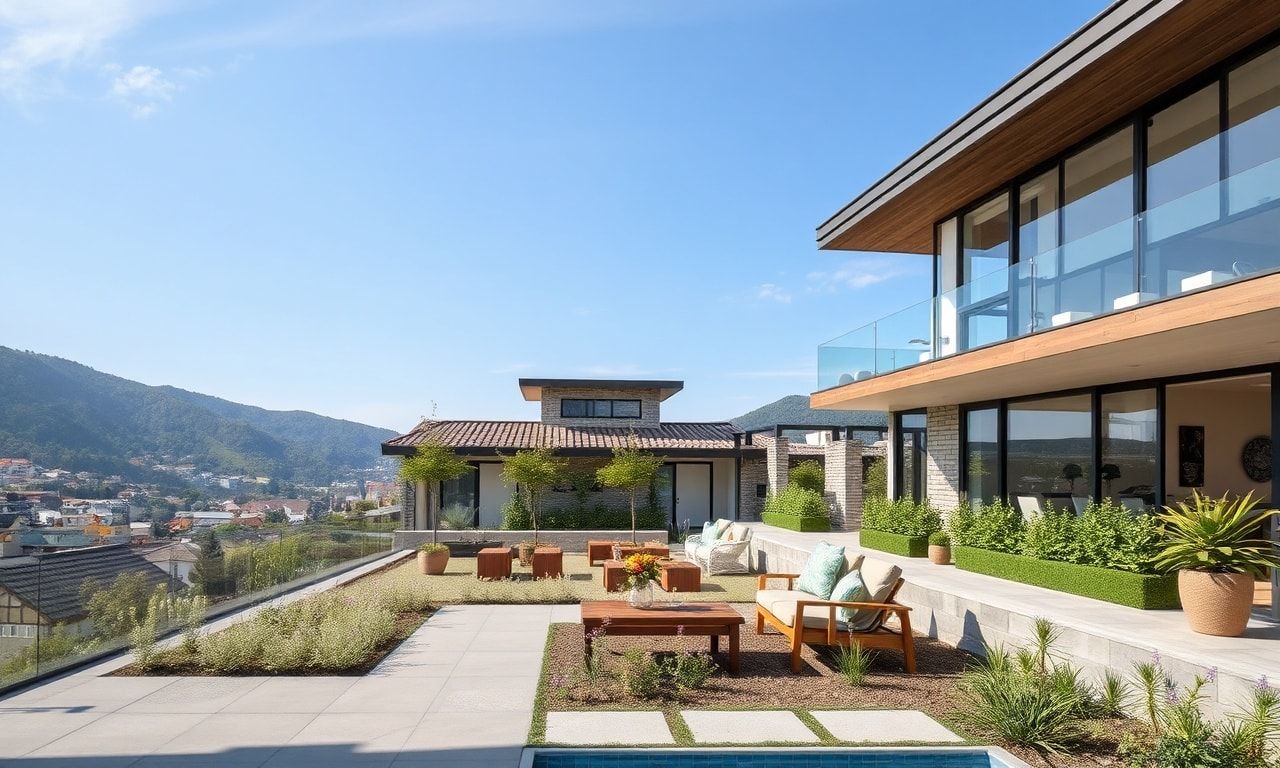
For those interested in sustainable living, Turkey offers a variety of options. From eco-friendly villas to green apartments, there is something for every lifestyle and budget. Investing in sustainable real estate in Turkey not only supports environmental conservation but also provides a high quality of life.
Investing in Sustainable Real Estate
Investing in sustainable real estate requires careful consideration of various factors. Location is a crucial aspect, as properties in areas with good public transportation and access to amenities tend to be more desirable. Additionally, it is essential to look for properties that have been certified by reputable green building organizations.
Another important factor to consider is the long-term sustainability of the property. This includes the use of renewable energy sources, such as solar or wind power, and the implementation of water-saving technologies. Properties that incorporate these features are likely to be more valuable in the long run.
For those looking to invest in sustainable real estate in Turkey, it is advisable to work with a reputable real estate agency. These agencies can provide valuable insights into the market and help investors find properties that meet their sustainability criteria. Additionally, they can assist with the legal and financial aspects of the investment process.
Sustainable Living Beyond the Home
Sustainable living extends beyond the confines of the home. It encompasses a holistic approach to lifestyle choices that promote environmental conservation. For instance, sustainable agriculture practices, such as organic farming and crop rotation, play a crucial role in maintaining ecological balance.
If you are interested in sustainable agriculture, you might find the sustainable chia seed cultivation guide particularly useful. This guide provides valuable insights into the cultivation of chia seeds, a highly nutritious and sustainable crop. By adopting sustainable agricultural practices, you can contribute to a healthier environment and support local communities.
Incorporating sustainable practices into your lifestyle can also involve supporting local businesses and reducing waste. Choosing locally sourced products and minimizing the use of single-use plastics are simple yet effective ways to promote sustainability. By making conscious choices in your daily life, you can contribute to a more sustainable future.
The Future of Sustainable Real Estate
The future of sustainable real estate looks promising, with increasing awareness and demand for eco-friendly properties. As technology advances, new innovations in green building materials and energy-efficient systems are continually emerging. These advancements make it easier and more affordable to incorporate sustainable practices into real estate developments.
Governments around the world, including Turkey, are also playing a significant role in promoting sustainable real estate. Through incentives, regulations, and awareness campaigns, they are encouraging developers and investors to adopt greener practices. This collective effort is driving the real estate market towards a more sustainable future.
For investors, the shift towards sustainability presents a unique opportunity. By investing in eco-friendly properties, they can not only contribute to environmental conservation but also benefit from long-term financial gains. As the demand for sustainable real estate continues to grow, these properties are likely to become increasingly valuable.
In conclusion, the intersection of sustainable living and real estate offers a wealth of opportunities for investors and homeowners alike. By embracing sustainable practices, we can create a healthier environment and a more prosperous future for generations to come.
If you enjoyed this article, we recommend checking out Emlakta Yatırım Yaparken Dikkat Edilmesi Gereken for further reading.
For more insights on this topic, you might find La Evolución de las Series de particularly informative.