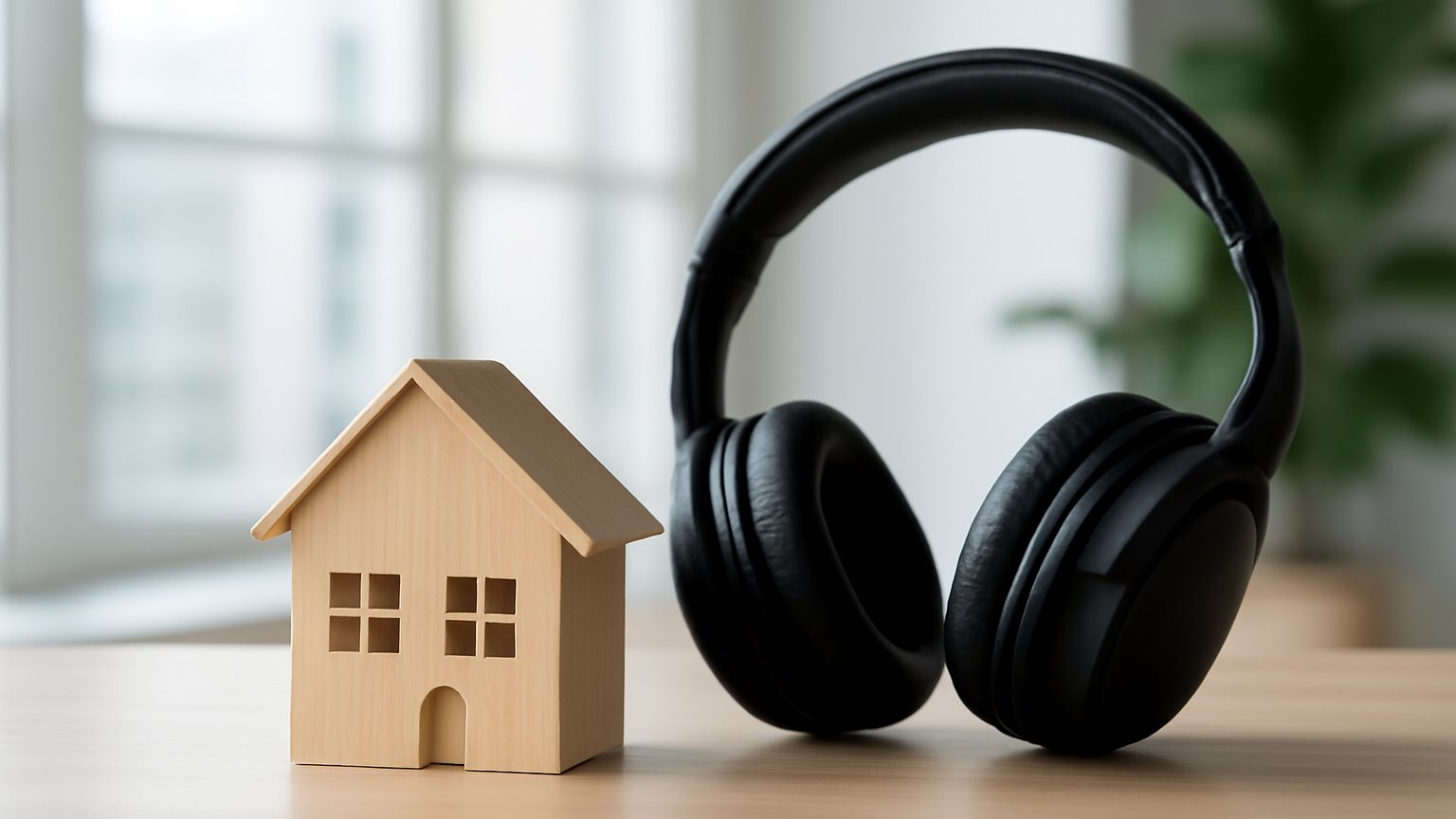
Can the rhythm of a city’s skyline sync with the beats that echo through its streets? At first glance, real estate and the music industry might seem like worlds apart—one grounded in bricks and mortar, the other in melodies and melodies’ fleeting trends. Yet, dig a little deeper and the two reveal an unexpected harmony, each influencing the other in ways that reshape neighborhoods and redefine cultural hotspots. From the rise of urban developments that cultivate vibrant music scenes to streaming trends that subtly signal shifts in property desirability, the interplay is as complex as it is fascinating.
Consider how creative communities have long breathed new life into otherwise overlooked buildings, turning garages into rehearsal spaces and warehouses into studios—fueling gentrification and market movements in tandem. Observing these phenomena from a real estate perspective offers not only insight into investment patterns but also a lens on cultural evolution. Midway through, readers might find it intriguing how entertainment trends—think latest movie reviews ratings 2026—sometimes parallel shifts in neighborhood buzz, influencing where people choose to live and invest.
This piece will explore these surprising connections, revealing the dance between property value and playlist trends, creative space reinventions, and the cultural forces driving today’s real estate market changes. The beat goes on, and it’s worth paying attention.
When Skyscrapers Meet Soundwaves: The Unexpected Link Between Property and Playlists
At first glance, the worlds of real estate and music might seem miles apart—one grounded in tangible assets like buildings and land, the other floating in the intangible realms of sound and culture. Yet, when skyscrapers meet soundwaves, an unexpected synergy reveals itself. Both industries are deeply influenced by trends, tastes, and technological shifts that redefine how people live and engage. Urban planning and architecture often mirror the cultural rhythms of a city, just as music reflects its social and economic pulse.
Consider the rise of mixed-use developments that integrate residential, commercial, and entertainment spaces—a trend driven by the millennial desire for immersive experiences and convenience. This has a curious parallel in the music industry, where genres blend and collaborations cross borders to create new sounds that resonate with diverse audiences. Such fluidity in both sectors points to broader shifts in lifestyle and consumer expectations, emphasizing flexibility, connectivity, and personalization.
| Real Estate Trend | Music Industry Shift | Cultural Impact |
|---|---|---|
| Rise of Mixed-Use Developments | Genre Blending & Collaboration | Emphasis on integrated, experiential living & listening |
| Smart Home Integration | Streaming & Algorithmic Playlists | Personalized user experiences shaping expectations |
| Urban Revitalization Projects | Revival of Vinyl & Nostalgic Sounds | Renewed appreciation for heritage and authenticity |
Technology also plays a big role in this intersection. Smart homes and buildings equipped with advanced sound systems and acoustics impact how music is experienced in private spaces, influencing expectations for real estate features. Likewise, algorithm-driven streaming platforms customize music to individuals, echoing how real estate markets segment and target unique buyer profiles. In both realms, the blend of data and design is transforming not only the products but the very culture surrounding them.
How Urban Development Shapes Musical Hotspots and Vice Versa
Urban development and the music industry have long shared a symbiotic relationship, each influencing the other in tangible ways. Neighborhoods that experience a surge in housing and commercial projects often become fertile ground for musical creativity, drawing artists and fans alike. Conversely, areas known for their vibrant music scenes tend to attract real estate investments, as developers recognize the appeal of living near cultural hubs. This dynamic interplay can lead to thriving communities but also raises questions about affordability and gentrification.
When a district starts gaining traction as a musical hotspot, it usually follows a distinct pattern that also affects property values and investment potential. Understanding this process is key for real estate professionals looking to capitalize on emerging trends without alienating the existing community. The evolution from grassroots music venues to high-end housing can be complex, but here’s a simplified breakdown of how urban development shapes—and is shaped by—musical environments:
- Step 1: Local musicians and venues bring cultural energy to a neighborhood, creating a unique identity.
- Step 2: Increased foot traffic attracts small businesses and fosters a sense of community.
- Step 3: Real estate developers spot potential and begin acquiring properties for renovation or new builds.
- Step 4: Rising demand leads to higher property prices, sometimes pushing original residents and artists out.
This cycle illustrates why urban planners, investors, and musicians must strive for balance. While real estate growth can revitalize a neighborhood, preserving spaces that nurture musical innovation is equally important. After all, music culture often drives the very appeal that makes a location prime for investment. Recognizing this interconnectedness can help stakeholders make informed decisions that respect both community roots and market realities.
Vinyl vs. Virtual: What Streaming Trends Reveal About Real Estate Desirability
The debate between vinyl enthusiasts and streaming devotees highlights a broader shift that mirrors real estate preferences in surprising ways. Just as vinyl offers a tangible, nostalgic experience preferred by a dedicated demographic, certain property types—historic homes, lofts with character—attract buyers seeking authenticity and uniqueness over modern minimalism. Conversely, streaming’s dominance reflects the growing appeal of convenience and instant access, much like the surge in popularity of smart homes and urban apartments equipped with the latest tech. Understanding these parallels sheds light on how lifestyle choices influence property desirability.
The impact of streaming’s ease has translated into a noticeable preference for properties that offer seamless, tech-enabled living experiences—properties with integrated smart security, energy-efficient systems, and flexible living spaces. Investors and developers increasingly focus on these features to appeal to tech-savvy buyers, directly shaping urban real estate trends. On the other hand, the revival of vinyl suggests a counter-current: the desire for a sense of place and permanence, influencing purchases in suburbs or historic districts where character and atmosphere matter as much as functionality. Property seekers today often balance these desires, seeking not just a roof over their heads but a lifestyle that resonates with their values and habits, just as music fans choose between vinyl and streaming based on more than sound quality alone.
The Rhythm of Renovation: Creative Spaces Breathing New Life into Old Buildings
Old buildings have always held a certain charm, but today they are no longer just relics of the past. In cities around the world, investors and developers are breathing new life into these spaces by transforming them into vibrant creative hubs. These renovations often cater to artists, musicians, and other creatives, blending the tactile history of the building with modern design and utility. This fusion not only preserves architectural heritage but also fuels cultural growth, creating environments where new ideas can take root and flourish. A stroll through neighborhoods undergoing such transformations might even lead you to discover unexpected gems — from rehearsal studios to independent galleries that complement major attractions like London’s Hottest Theater Picks: What to enjoy this season.
Property owners who embrace these creative renovations often find their investments gaining unique market appeal. The vibrant atmospheres that emerge not only attract tenants who value originality and community but can also increase property values significantly. More than just functional spaces, these renovated buildings become part of a local narrative, hosting everything from live performances to pop-up exhibitions. Such spaces embody a rhythm of reinvention—a real estate pulse that syncs surprisingly well with dynamic shifts in the music and arts scene. The result is a harmonious blend of culture and commerce, where every brick and beam plays its part in the ongoing performance of city life.
From Garage Bands to Gentrification: Cultural Shifts Driving Market Moves
When considering the evolution from garage bands to urban gentrification, it’s clear that cultural shifts wield considerable influence over real estate markets. Just as emerging music genres redefine creative landscapes, grassroots communities spark transformations in neighborhoods. These once undervalued pockets often attract young creatives first—musicians eager for affordable rehearsal spaces, artists seeking inspiring environments—before investors notice and property values ascend. This cycle mirrors a familiar pattern within the music industry, where underground sounds eventually shape mainstream trends. Recognizing the interplay between artistic subcultures and rising real estate demand can offer investors a nuanced perspective on market timing and neighborhood potential. Moreover, savvy buyers who understand how cultural capital translates to tangible property appreciation are often steps ahead.
By tapping into resources like top online property research tools, stakeholders can better identify emerging hotspots before they become saturated. The transformation of once-neglected areas is rarely accidental; it’s the result of complex socio-economic and cultural dynamics. In this metamorphosis, local music scenes often act as early indicators of change, signaling a neighborhood’s shift from overlooked to on-the-rise. Investors and developers attuned to these patterns may find opportunities where others see risk.
Just as album releases can redefine listeners’ tastes, the waves of gentrification reshape urban living. The soundtrack of a neighborhood—whether the echo of a garage band or the buzz of a bustling café—often predicts its real estate trajectory. With media platforms increasingly blending music and lifestyle coverage, those interested in both markets would do well to observe these cultural intersections closely. After all, who’s to say that today’s underground music album reviews latest releases won’t be tomorrow’s cultural currency influencing where people want to live?
The Beat Goes On: Intersecting Cities, Sounds, and Spaces
The intricate dance between real estate trends and the music industry reveals a dynamic synergy few might expect—urban growth and sound culture constantly influence each other, shaping not just skylines but also the cultural heartbeat of communities. From the resurgence of vinyl hinting at nostalgia-driven real estate appeal to renovated creative spaces acting as incubators for new genres and neighborhoods alike, these rhythms tell a story of evolution and adaptation. Gentrification and cultural shifts, often debated for their complexity and consequences, also underscore how deeply intertwined music scenes are with the socio-economic fabric of cities. This interaction is more than just backdrop; it’s a living, breathing force that molds desirability and identity in tangible ways.
As cities continue to change, fueled by evolving tastes in both housing and music, one wonders—how will future trends in technology, creativity, and urban policy further reshape this relationship? When music influences where people want to be, and real estate shapes where music can thrive, it becomes clear that understanding this interplay is essential not just for investors and developers, but for anyone curious about the forces that craft our daily environment and cultural moments. For those intrigued by these dynamics, keeping an ear to music album reviews latest releases alongside market movements might just unlock new perspectives on where the next vibrant neighborhoods will emerge.
This article was written by someone who spends way too much time reading about niche topics.