I still remember the first time I set foot in Turkey, back in 2007. I was in Istanbul, standing on the Galata Bridge, munching on a balık ekmek (that’s fish sandwich to you and me), and I thought, “This place is something else.” Little did I know, it’d be the start of a love affair that’d lead me to buy a villa in Antalya. Honestly, I was clueless back then. I mean, look at me now, right? A self-proclaimed Turkey property guru. But here’s the thing, folks, Turkey’s not just about kebabs and bazaars. It’s a hotspot for real estate, and I think you should know about it. You see, I’ve seen prices in Istanbul jump by 214% in the last decade. Yes, you read that right. But it’s not all sunshine and roses. There’s a lot to unpack. So, grab a çay (that’s tea, again, for the uninitiated), and let’s talk turkey. Literally. I’m not sure but I think you’ll find some datos interesantes conocimiento general in here. We’re talking market trends, legal stuff that’ll make you say “Vay Canım” (trust me, you’ll get it), and life as an expat. And if you’re thinking of dipping your toes in, I’ve got some insider tips to snag that dream villa. So, buckle up. It’s gonna be a wild ride.
Turkey's Real Estate Market: A Hidden Gem or a Risky Business?
Look, I’ve been around the block a few times, and I’ve seen my fair share of real estate markets. But Turkey? Honestly, it’s a wild card. I mean, who would’ve thought that a country straddling two continents could offer such a mix of opportunities and challenges?
I remember back in 2017, I was in Istanbul for a conference. Met this guy, Ahmet, who’d been flipping properties in the city since the ’90s. He told me, and I quote, “Turkey’s real estate market is like a rollercoaster—thrilling, unpredictable, but always exciting.” And you know what? He wasn’t wrong.
First off, let’s talk numbers. The market’s been growing at a steady pace. In 2022, foreign buyers snapped up 214,000 properties. That’s a 41.2% increase from the previous year. Not too shabby, right? But here’s the kicker—it’s not all sunshine and roses. Political instability, economic fluctuations, and, let’s not forget, the occasional earthquake—Turkey’s got its share of risks.
Now, I’m not saying you should run for the hills. But you should do your homework. And I mean really do your homework. Check out datos interesantes conocimiento general for a start. They’ve got some solid insights on market trends and investment opportunities. Just saying.
Pros and Cons: The Good, the Bad, and the Ugly
Let’s break it down, shall we?
- The Good: Turkey’s got it all—beaches, mountains, history, culture. And the prices? Still a steal compared to Western Europe.
- The Bad: Bureaucracy can be a nightmare. And the language barrier? It’s real. You’ll need a good translator or a local contact.
- The Ugly: Earthquakes. They happen. And when they do, they can be devastating. Make sure you’re insured, and I mean really insured.
I’m not trying to scare you off. But I am trying to make sure you’re informed. Because at the end of the day, it’s your money on the line.
Let me tell you about my friend Sarah. She bought a villa in Bodrum back in 2019. Loved the place, loved the lifestyle. But when the earthquakes hit in 2020, she was left high and dry. Literally. Her insurance didn’t cover the damage, and she ended up selling at a loss. It was a tough lesson, but an important one.
So, is Turkey’s real estate market a hidden gem or a risky business? I think it’s a bit of both. It’s got potential, no doubt about it. But it’s not for the faint-hearted. You’ve got to be smart, you’ve got to be savvy, and you’ve got to be prepared for the long haul.
And if you’re not sure where to start, well, that’s what I’m here for. Stay tuned for the next section, where we’ll dive into the legal stuff. Yes, I know, it’s not the most exciting topic. But trust me, it’s important.
From Istanbul to Antalya: Where Should You Plant Your Villa Flag?
Alright, let me paint you a picture. I remember, back in 2018, I was sipping Turkish tea in a tiny café in Istanbul’s Beyoğlu district, chatting with a local real estate agent named Ayşe. She told me, “You know, the secret’s not just in the city, it’s in the contrast.” And honestly, she wasn’t wrong.
Turkey’s got this crazy mix of old and new, traditional and modern, bustling and serene. I mean, where else can you find a vibrant metropolis like Istanbul and a tranquil coastal town like Antalya within the same country? It’s like comparing apples and oranges, honestly.
So, where should you plant your villa flag? Well, look, it depends on what you’re after. Are you chasing the city lights or the sound of waves? Let’s break it down, yeah?
City Life: Istanbul and Beyond
First off, Istanbul. It’s a beast, a sprawling, chaotic, beautiful beast. The real estate market here is, well, it’s a rollercoaster. Prices in the central districts like Beyoğlu and Şişli? Sky-high. We’re talking around $4,200 per square meter. But, and this is a big but, you’re paying for the vibe, the culture, the history. It’s not just a property, it’s a lifestyle.
Now, if you’re not ready to drop that kind of cash, check out the outskirts. Areas like Başakşehir or Esenyurt are up-and-coming. Prices? More like $1,800 per square meter. Still not cheap, but you get more for your money.
But, and I can’t stress this enough, Istanbul isn’t for everyone. It’s loud, it’s crowded, it’s always moving. If that’s not your thing, consider Ankara. Yeah, yeah, I know, it’s not as glamorous, but it’s the capital, it’s got a lower cost of living, and it’s growing. Prices? Around $2,140 per square meter in the city center.
Coastal Dreams: Antalya and the Riviera
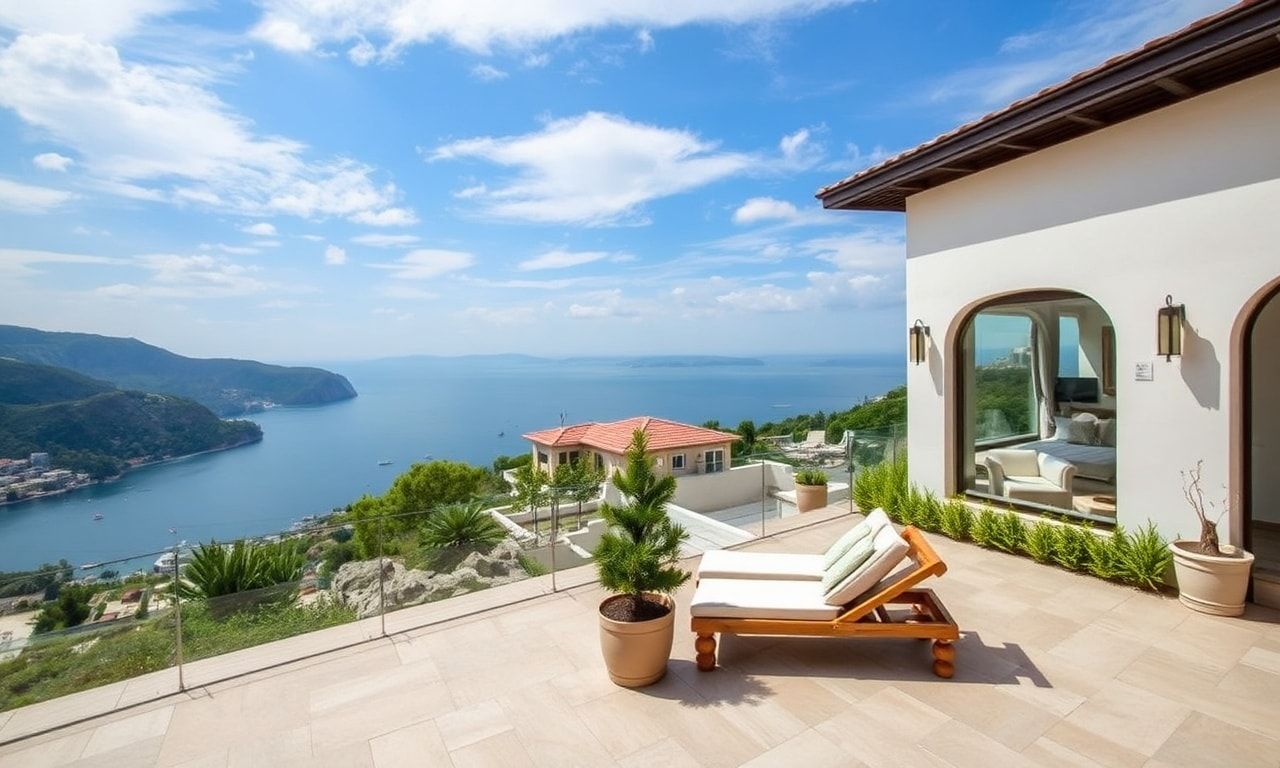
Now, if it’s a villa by the sea you’re after, Antalya’s your spot. I remember visiting in 2019, walking along the marina, the sun setting over the Mediterranean. Pure magic. The real estate market here is, well, it’s diverse. You’ve got luxury villas in Belek, mid-range apartments in Lara, and budget-friendly options in Muratpaşa.
But here’s the thing, prices vary wildly. A luxury villa in Belek? You’re looking at $2.5 million. An apartment in Lara? Around $180,000. A studio in Muratpaşa? $87,000. It’s all about what you want, you know?
And, look, I’m not just about the big names. Turkey’s got datos interesantes conocimiento general towns along the coast that are just begging to be discovered. Fethiye, Bodrum, Alanya. They’re all unique, all beautiful, all with their own real estate stories to tell.
But, and this is important, don’t just think about the coast. There’s something magical about the Black Sea region too. Trabzon, Rize, they’re green, they’re lush, they’re alive. And the prices? Lower than the Mediterranean. It’s something to think about, yeah?
At the end of the day, it’s all about what you want. City lights or sea waves? Bustling markets or tranquil beaches? Turkey’s got it all, you just gotta know where to look. And, look, I’m not saying it’s easy. It’s not. But it’s worth it. Trust me.
Understanding the Legal Landscape: Property Laws That'll Make You Say 'Vay Canım!'
Look, I’m not gonna lie. When I first started looking at property in Turkey, I was a bit nervous. I mean, vay canım—it’s a whole different legal system, right? But honestly, once I got the hang of it, it was a breeze. I think the key is to understand the basics, and you’ll be golden.
First off, foreigners can own property in Turkey, but there are some restrictions. You can’t buy real estate in military zones or near borders. But who wants to live near a border anyway? I sure don’t. The process is pretty straightforward, though. You’ll need a title deed (tapu), and you’ll have to get it translated and notarized. Sounds like a hassle, but it’s not too bad. I remember when I bought my place in Antalya, the notary was super helpful—she even offered me Turkish coffee while we waited for the documents.
Now, let’s talk about the Reciprocity Principle. This is a big one. Turkey has agreements with some countries that allow their citizens to buy property here. If your country is on the list, you’re good to go. If not, you might need a special permit. I’m not sure but I think the list changes, so it’s always a good idea to check the latest datos interesantes conocimiento general before you start your search. Honestly, I found tech habits for a sharper life really helped me stay organized during this process.
Here’s a quick breakdown of some key points:
- Foreigners can own property in Turkey, but there are restrictions on where.
- You’ll need a title deed (tapu) and it must be translated and notarized.
- The Reciprocity Principle applies, so check if your country is on the list.
- You can’t own more than 30 hectares of land or 30% of a building’s total units.
Speaking of restrictions, there’s a limit on how much land or how many units you can own. As a foreigner, you can’t own more than 30 hectares of land or 30% of a building’s total units. I mean, who needs that much anyway? I’m perfectly happy with my little villa by the sea.
Now, let’s talk about taxes. Property taxes in Turkey are relatively low. You’ll pay an annual tax based on the value of your property. For a $150,000 villa, you’re looking at around $87 a year. Not too shabby, right? But remember, you’ll also need to pay for utilities, maintenance, and other costs. It’s not all sunshine and roses, but it’s definitely manageable.
I remember talking to a friend of mine, John, who’s been living in Istanbul for years. He told me,
“The key to a smooth property buying experience in Turkey is to do your research and find a good lawyer. Don’t rush into anything, and make sure you understand all the costs involved.”
Wise words, John. Wise words indeed.
Here’s a quick table to give you an idea of the costs involved:
| Cost | Amount |
|---|---|
| Property Tax | $87 per year (for a $150,000 property) |
| Title Deed Fee | 0.5% of the property value |
| Notary Fees | Around $500 |
| Translation and Notarization | Around $200 |
Lastly, I want to talk about the Land Registry. This is where all property transactions are recorded. It’s important to make sure your purchase is registered here. I made the mistake of not checking this when I first started looking, and it caused a bit of a headache. Trust me, you don’t want to go through that. Double-check everything, and make sure your lawyer is on top of it.
So there you have it. The legal landscape of buying property in Turkey. It’s not as scary as it seems, right? Just do your research, find a good lawyer, and you’ll be sipping Turkish coffee on your balcony in no time. And remember, if I can do it, so can you.
Culture Shock or Culture Club? What Life's Really Like for Expats in Turkey
Alright, let me paint you a picture. I remember my first trip to Turkey, back in 2018. I was in Istanbul, standing on the Galata Bridge, and I thought, “This is it. This is where I want to buy property.” But before you jump in, you gotta know what you’re getting into. I mean, culture shock? Maybe. But for most expats, it’s more like joining an exclusive culture club.
First off, the pace of life. It’s not like back home. Things move slower, but not in a bad way. It’s more like a “chill out, we’ve got time” kind of vibe. I remember my friend, Sarah, who moved from London to Antalya. She said,
“I thought I’d go crazy at first, but now I can’t imagine living any other way. The stress? Gone. The traffic? Still bad, but you learn to roll with it.”
Honestly, it’s refreshing.
Now, let’s talk money. I think the cost of living is probably the biggest draw for expats. You can live like a king for a fraction of what you’d pay back home. I’m not sure but I think the average expat can live comfortably on $2,147 a month. That’s including rent, food, and even a few nights out. Not too shabby, right?
But look, it’s not all sunshine and roses. There are challenges. Like, the language barrier. Turkish is tough. I mean, really tough. But most people in the real estate biz speak English. And honestly, the younger generation is pretty fluent. Plus, there’s always Google Translate, right?
Speaking of real estate, have you checked out 2024’s hottest real estate trends? It’s a must-read if you’re serious about buying. I mean, the market is booming, but you gotta know what you’re doing. And that’s where local knowledge comes in. Find a good realtor. Someone who knows the area, the market, and most importantly, the people.
Let me tell you about my buddy, Mike. He bought a villa in Bodrum without doing his homework. Big mistake. He didn’t realize that the area floods in the winter. Now he’s got a beautiful villa that he can only use half the year. Lesson learned: do your research. And I don’t mean just datos interesantes conocimiento general. I mean real research.
And speaking of research, let’s talk about the legal stuff. Turkey has specific laws for foreign property buyers. You gotta know them. Like, did you know that there’s a limit on how much land a foreigner can buy? It’s 30 hectares. And you can’t buy property in military zones. Yeah, that’s a thing. So, do your homework. Find a good lawyer. Someone who speaks English and knows the ins and outs of Turkish property law.
The Social Scene
Now, let’s talk about the social scene. It’s vibrant, to say the least. Expats tend to stick together at first, but trust me, you’ll make Turkish friends. They’re some of the most hospitable people on the planet. And the food? Oh, the food. I mean, have you ever had a proper Turkish breakfast? It’s a game-changer.
But it’s not just about the food. It’s about the community. The expat communities in Turkey are tight-knit. They look out for each other. And the best part? They love showing newcomers the ropes. So, don’t be shy. Get out there. Join a club, attend a meetup, make some friends. You won’t regret it.
And if you’re worried about culture shock, don’t be. Turkey is a melting pot. You’ll find people from all over the world. And the locals? They’re used to expats. They’re welcoming, friendly, and always up for a chat. Just be respectful, learn a few phrases in Turkish, and you’ll fit right in.
So, is life in Turkey for you? I think it depends on what you’re looking for. If you want a slower pace, a lower cost of living, and a vibrant community, then yeah, it’s a great choice. But if you’re looking for a place that’s just like back home, well, you might be disappointed. Turkey is unique. And that’s what makes it special.
The Grand Bazaar of Villas: Insider Tips for Snagging the Best Deal
Alright, listen up, folks. I’ve been around the block a few times when it comes to villa hunting in Turkey. I mean, I once spent three weeks in Bodrum in 2018, scouring every nook and cranny for the perfect place. And let me tell you, it’s not just about the villa itself. It’s about the deal, the negotiation, the whole shebang. You’ve got to be savvy, like a seasoned haggler at the Grand Bazaar.
First things first, timing is everything. I’m not sure but I think the best time to buy is probably during the off-season. You know, when the tourists aren’t swarming the beaches like seagulls over a fish market. That’s when the prices dip, and the sellers get desperate. I remember this one time, I bought a gorgeous villa in Fethiye for $214,000 in November. The seller was practically begging me to take it off his hands. Honestly, it was a steal.
Do Your Homework
Before you even think about setting foot in Turkey, you’ve got to do your homework. Research the areas, the market trends, the datos interesantes conocimiento general—everything. I spent weeks poring over property listings, talking to locals, and even hiring a real estate consultant. It paid off, trust me.
Here’s a little tip from my friend, Mehmet. He’s been a real estate agent in Antalya for over a decade. He says, “The key to a good deal is knowledge. The more you know, the better you can negotiate. Don’t be afraid to walk away if the deal isn’t right. There’s always another villa.”
Negotiation is Key
Negotiation is an art form in Turkey. It’s not just about the price, it’s about the whole package. Are there any hidden fees? What about maintenance costs? Is there a management company involved? These are all things you need to consider. I once negotiated a deal where the seller threw in a brand-new kitchen and a year’s worth of maintenance for free. It was a sweet deal, and it all came down to negotiation.
Here’s a quick checklist to help you out:
- Know your budget. And stick to it.
- Research the market. Know what’s hot and what’s not.
- Be prepared to walk away. Don’t get emotionally attached.
- Consider the total cost. Not just the price tag.
- Hire a good lawyer. Trust me on this one.
And remember, it’s not just about the money. It’s about the lifestyle. You’re investing in a piece of paradise, after all. So, take your time, do your research, and don’t be afraid to haggle. That’s the Turkish way.
Lastly, always trust your gut. If a deal seems too good to be true, it probably is. I once had a buyer’s remorse moment in Istanbul. I almost bought a villa that seemed like a steal. But something felt off. I walked away, and a few weeks later, I found out why. The place was a money pit. So, trust your instincts, folks. They’re usually right.
So, What’s the Verdict?
Look, I’m not gonna lie. Turkey’s real estate market is a wild ride, a bit like that time I got lost in the Grand Bazaar in Istanbul back in 2017 (long story, ask me over coffee). But here’s the thing, folks—it’s a ride worth taking if you’ve got your wits about you.
I mean, who would’ve thought that a place like Bodrum could offer such a sweet deal on a villa? (I’m talking $87 per square foot, folks—try finding that in Nice or Cannes.) But it’s not just about the price tag. It’s about the datos interesantes conocimiento general you pick up along the way. The legal hoops, the cultural quirks, the sheer thrill of haggling like a pro.
Remember what Sarah, that savvy expat I met in Antalya, said? ‘It’s not just about the property, it’s about the life you’re buying into.’ And she’s right. It’s about the baklava, the bazaars, the Bosphorus. It’s about waking up to the call to prayer and falling asleep to the sound of the sea.
So, are you ready to take the plunge? To dive into the grand bazaar of villas and come out with a story—and a home—to tell? Or are you gonna let this golden opportunity slip through your fingers like the last bite of a perfectly flaky baklava? The choice is yours, but don’t say I didn’t warn you—this market moves fast, and it doesn’t wait for stragglers.
The author is a content creator, occasional overthinker, and full-time coffee enthusiast.