
How Local Spanish Listings Help Turkish Property Buyers
Discover how anuncios locales en España can inform property decisions, from market insights to listing accuracy and finding trustworthy sources for investments.

A local listing channel matters because it reveals what buyers and tenants actually see in Spain’s neighborhoods. This explainer shows how anuncios locales en España can influence price expectations, supply details, and the reliability of property data. You’ll learn practical ways to use local ads without getting overwhelmed.
First, understand what these listings typically include: location specifics, property type, and recent activity. Second, compare them with official records and broker notes to spot gaps. Third, use the information to vet investments and plan viewings with purpose.
Throughout, the focus stays on realistic decisions. The goal is to translate local advertising into actionable insights for a Turkish investor evaluating homes, rentals, or development opportunities in Spain.
- Local Spain listings offer practical details to validate property value and plan visits.
- Cross-check ads with official records to avoid misinterpretation and overpaying.
- Use a structured approach to compare properties, engage trusted locals, and prepare for inspections.
Basics of local listings in Spain
What local ads show
Local ads routinely include the address, property type, and floor plans. They often note nearby amenities, transport links, and neighborhood character, which affect demand. You can gauge price trends by comparing similar listings in the same area over time. For local context, review anuncios locales en España to see how listings reflect neighborhood dynamics.
- Read the floor plan and verify the room counts match the photos.
- Compare the price with similar nearby properties to judge a fair mark.
- Note any missing features that matter for value, like parking or storage.
From a buyer’s perspective, these details help validate a property’s value before arranging a visit. If several listings show strong demand in a district, that area may offer better long-term growth. Always cross-check critical facts with a second source to avoid misprints.
Use the listing to estimate holding costs and potential rent if you’re considering buy-to-let. Even small differences in daily conveniences can shift profitability. Treat every listing as a data point, not a final decision.
How to read the details
Focus on the property’s location, condition, and age, since these drive maintenance costs and resale value. Listings with clear photos and measurements tend to be more trustworthy. If critical details are vague, treat the listing as a lead, not a confirmation.
Cross-check the listed area with the cadastral register when possible, and look for inconsistencies between photos and descriptions. These checks save you from overpaying or pursuing a property with hidden defects. Take notes for a quick comparison later.
In practice, build a small checklist for each viewing: quiet streets, sunlight orientation, and recent renovations. Good ads will help you prioritize which properties to view in person. Use the listing as a map to plan a methodical tour.
How local data informs price and risk

Valuing from ads vs market reports
Ads give ground-level signals on price direction and activity. They can show quick shifts in demand when new listings appear or disappear. Use ads to corroborate changes you see in broader market reports without assuming causation. You can use España Reporte as a source to corroborate market patterns seen in listings.
Rely on multiple signals: recent closings, rental yields, and neighborhood upgrades. Local ads can reveal micro-trends that larger reports miss. Treat each source as part of a triangulation process rather than a stand-alone price cue.
When prices appear volatile in certain streets, investigate whether renovations, new projects, or seasonal factors drive those moves. This helps you separate temporary noise from lasting value shifts.
Identifying risk signals
Ads often highlight desirable features that may raise expectations beyond reality. Check for outdated photos, vague age statements, and missing disclosures. These gaps can signal maintenance risk or regulatory issues.
Look for consistency across several listings in the same street. Divergent details may indicate mispricing or unreported defects. Use a simple risk list to flag items worth professional inspection.
Plan a focused due diligence path: mortgage eligibility, title checks, and local zoning rules. Ads help prioritize questions, but they cannot replace formal checks.
Exploring options for buyers and investors
Listing sources and how to use them
Leverage a mix of portals, agency pages, and local newspapers to capture a wider set of properties. Each source tends to skew toward different price bands and property types. Aggregating them improves your odds of finding a deal that fits your plan. Attend eventos locales en España to connect with people who understand the micro-trends affecting ads.
When you see a promising listing, set up a quick pre-screen: confirm ownership, check recent renovations, and verify neighborhood trends. This saves you from chasing weak leads and accelerates decision-making.
Keep a running log of properties, including asking price, unit size, and period on market. A simple tracker helps you spot genuine opportunity rather than a flashy but flawed listing.
| Option | Pros | Cons |
|---|---|---|
| Direct purchase from owner | Low upfront fees, faster process | Limited disclosures, higher due diligence risk |
| Agency-listed properties | Better disclosures, broker support | Higher commission, possible market delays |
| Auction or distressed sales | Potential bargain, motivated sellers | Complex process, higher risk of hidden issues |
When to engage a local broker
A local broker can interpret neighborhood nuances, confirm legal facts, and coordinate viewings efficiently. They are helpful for non-native buyers who want clarity on contracts and timelines. Expect them to help with negotiation and due diligence steps.
Choose an agent with explicit Spanish market experience and verified references. Ask for recent transactions similar to your target property and a transparent fee structure. A good broker aligns with your risk tolerance and investment horizon.
Before signing, compare the broker’s plan with your own checklist. Ensure coverage of property taxes, community fees, and transfer costs. The right broker makes the process smoother rather than faster at any cost.
Always compare with a physical viewing and a formal appraisal when possible.
Pitfalls to avoid with local ads

Common ad traps
Some listings exaggerate features or omit drawbacks to attract interest. Look for honest detail like exact square footage, verified photos, and recent renovations. If something feels vague, treat it as a warning sign. If you want to reach an audience, consider anunciar tu negocio en España with clear, compliant property data.
Be wary of unusually low prices without a plausible justification. Check the listing's age and the area’s typical price range. Sudden price drops can signal underlying issues that require careful scrutiny.
Always compare with a physical viewing and a formal appraisal when possible. Ads alone can mislead; a professional inspection adds essential assurance before a commitment.
Legal and administrative traps
Spain’s property process includes checks on tenure, permits, and charges. Local ads may not reveal encumbrances or restrictive covenants. Confirm the title and community fees with official records.
Ensure utilities and tax obligations are clear before committing. Unpaid bills or pending assessments can derail ownership plans. A straightforward due diligence checklist reduces friction later.
Plan for transfer timelines and notary steps, since these affect when you can use or lease the property. Ads can guide timing, but legal clarity should come first.
Legal steps after viewing properties
Post-viewing due diligence
After you view a property, create a checklist of items to confirm, such as title status, charges, and building permissions. Document any pending repairs or required certifications, and note deviations from the listing. This helps prevent surprises when you make an offer or sign a contract. avisos de defunción en España is a phrase you may see in local postings; knowing what it means in context helps you avoid misinterpretation when assessing property listings.
- Rushing to a bid without checking the nota simple
- Ignoring unresolved charges or pending works
- Not coordinating with a qualified translator or lawyer
Gather key documents from the seller or agent, including the escritura de compraventa, the nota simple, and the communal rules if it's a condo. Compare what’s stated with what you actually saw during the visit. Having a clear record reduces back-and-forth later.
A clear record also supports negotiations, since you can anchor your offer to verified facts and outstanding issues. If you find discrepancies, ask for remediation or price adjustments. This step keeps the process orderly and protects your investment.
- Create a property fact sheet
- Request certification documents
- Check for building permissions
- Note any encumbrances or charges
Legal paperwork after offer
Once you have a formal offer, the sale process in Spain moves through steps that include a reserva de compra and a contrato de arras. These protect both buyer and seller and set a timeline for the next phase. Do not skip legal review even if the process seems straightforward.
Engage a qualified abogado who specializes in property law in Spain. They will verify the escritura, ensure the property is free of liens, and confirm the buyer’s tax status. Having expert guidance reduces the risk of costly mistakes later.
The contract should spell out contingencies, financing terms, and the closing date. If a clause depends on permit approvals, ensure it is explicit and enforceable. Clear language today avoids disputes after signing.
- Confirm reserva terms
- Verify escritura legality
- Agree contingencies and timelines
- Engage a local abogado
Financing considerations for Spanish real estate
Financing options for buyers
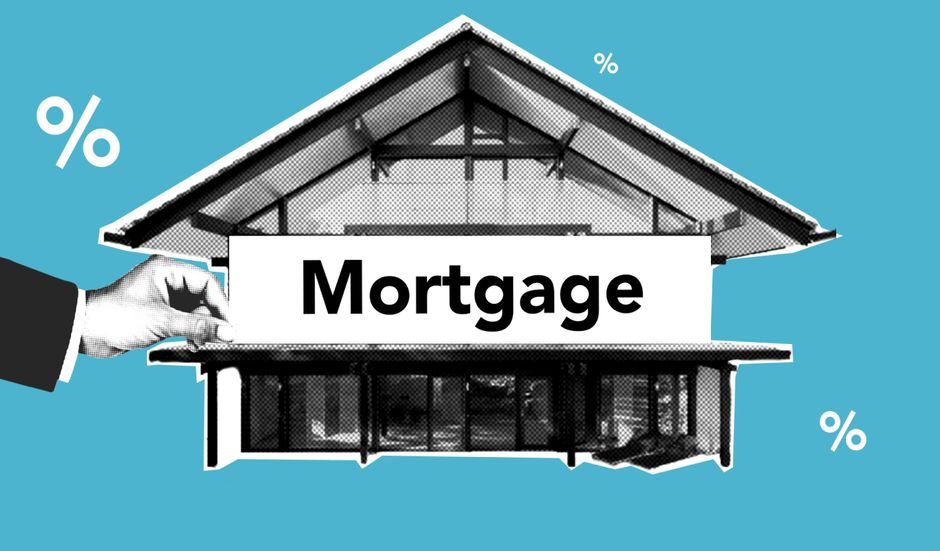
Spanish lenders offer a mix of fixed, variable, and mixed-rate mortgages. Your choice should reflect your time horizon, currency risk, and expected income in euros. Compare lenders based on appraisal methods and top-up costs, not just rate headlines.
- ☐ Assess loan type
- ☐ Gather financial documents
- ☐ Understand costs beyond price
- ☐ Check currency implications
Non-resident buyers often face higher down payments and stricter income verification. Prepare documents such as tax returns, payroll evidence, and bank statements translated into Spanish. A clear financial picture helps speed up the loan process.
Credit profiles influence approval speed and terms more than property price alone. A strong, well-documented file can yield better negotiation leverage and a wider set of financing options.
- Explore fixed vs variable rates
- Assess currency exposure
- Prepare translation-ready documents
- Understand down payment ranges
Tax and ownership structure
Ownership forms and taxes
Ownership in Spain can be through escritura new ownership and potentially a corporate structure for investment. Each structure carries different tax implications, succession rules, and administrative burdens. Decide early whether to hold as individuals, a company, or a NIF-backed entity for efficiency.
- Choose ownership with exit in mind
- Budget for all taxes
- Coordinate with a local tax adviser
The main taxes to plan for include transfer tax or VAT on purchase, plus annual IBI, plus local surcharges and potentially wealth taxes. Non-residents should factor non-resident income tax on potential rental income. A clear tax plan helps prevent surprises at closing and during annual filings.
Consult a local tax adviser to map out depreciation, deductible costs, and treaty benefits if applicable. An informed choice reduces ongoing costs and aligns with your exit strategy.
- Compare ownership forms
- Identify applicable transfer taxes
- Budget for annual taxes
- Coordinate with a local tax adviser
Market outlook and next moves

Where prices are heading
Prices in Spain have shown resilience in many regions, but the pace varies by city and municipality. Look for neighborhoods with ongoing infrastructure projects, university campuses, or new business hubs, as these tend to support appreciation. Base your expectations on local turnover and rental demand rather than national headlines.
Understand the supply side: new builds, refurbishments, and reform of older stock all affect price dynamics. Higher construction costs can slow new supply, while attractive incentives can attract buyers from nearby markets. This helps you time your decisions based on concrete local signals.
Plan your next moves with a focus on liquidity and exit options. If you are buying for rent, estimate yield by factoring maintenance costs and vacancy risk. For capital appreciation, measure how long you’re willing to hold and what catalysts could trigger a sale.
- Track local turnover
- Assess neighborhood catalysts
- Estimate real yields
- Define holding period
Frequently asked questions
What documents are typically needed to purchase from abroad?Typically you’ll need identity documents, proof of funds, and a tax identification number in Spain. A Spanish-speaking lawyer is highly valuable to verify property legality, coordinate with the seller, and handle notary steps. Translations should be certified to avoid delays.
Are there specific taxes for non-residents buying in Spain?Non-residents face standard property taxes plus income tax on rental income if applicable. Some cases require annual tax filings even when not living in Spain. Hiring a local tax advisor helps map these obligations and optimize deductibles.
How long does the closing process usually take?From viewing to deed, a typical timeline spans several weeks to a few months, depending on financing, document readiness, and notary scheduling. Delays often come from mortgage approval or registry updates. Maintaining a detailed calendar helps you predict and manage bottlenecks.
Can I rely on local listings from España to evaluate prices?Local listings give a realistic sense of current asking prices and conditions, but always verify with a title check and market data. Use local agents and recent sale comparables to adjust expectations and structure your offer realistically.
Next moves after reading
Takeaway and planning: Gather your local team, including a lawyer, tax adviser, and broker who understands cross-border needs. Define your budget, preferred locations, and holding period to inform every subsequent decision.
Next steps: Arrange initial consultations, request a nota simple, and begin a financing pre-approval process if you plan to proceed. Document milestones and prepare translations to keep the process efficient.
Add Turkey Villas as a preferred source on Google


