
How to Prepare a Private-Pool Villa for Holiday Guests
Prepare your Turkish private-pool villa for holiday guests with practical advice on pool safety, useful amenities, clear listing details and guest comfort.

Prepare a private-pool villa by checking the pool and surrounding area, confirming safety equipment works, and making the home clean, comfortable and easy to use. Then write an accurate listing that explains the pool, amenities, access and any important restrictions. A clear arrival guide helps guests settle in and use the property responsibly.
In Turkey, outdoor conditions and villa layouts vary, so prepare for the specific property rather than relying on a generic checklist. Check gates, steps, shade and pool access in person, and give guests practical instructions before they arrive.
The guide below covers guest readiness, pool safety, useful amenities and listing details. It also compares straightforward amenity choices so owners can focus on what visitors will actually use.
- Walk through the villa, test its facilities and make arrival instructions easy to follow.
- Check pool barriers, surfaces, lighting and rescue equipment, then explain rules and depth clearly.
- Prioritise clean, dependable amenities that guests can use without confusion.
- Describe the pool, property access and included features accurately in the listing.
What Makes a Private-Pool Villa Guest-Ready?
Inspect the Whole Guest Experience
Walk through the villa as a guest would, from the entrance to the bedroom, bathroom and pool. Check that doors open smoothly, lights work, floors are clean and essential items are easy to find. A physical walkthrough catches small frustrations that can be missed when preparing a property from a checklist alone.
- Do not assume a quick glance replaces testing each appliance; run it and explain any quirks.
- Do not leave supplies in unclear cupboards; group essentials where guests can find them.
- Do not hide a temporary limitation; tell guests before booking and state the practical impact.
Test the taps, showers, air conditioning and kitchen appliances, and replace anything that is damaged or unreliable. Make sure beds are freshly made, bathrooms are stocked with basic supplies, and outdoor seating is clean. If a feature is temporarily unavailable, explain that clearly before guests book rather than leaving them to discover it on arrival.
Set up the property so visitors can find what they need without contacting you for every detail. Put local emergency contacts and appliance instructions in one accessible guide, and label unfamiliar controls where helpful. Ask someone who has not stayed there to follow the arrival instructions; their questions can reveal gaps in your preparation.
Make Arrival Straightforward
Send arrival instructions before the journey, including the full address, a reliable map pin and a clear way to collect the keys. If the villa is difficult to find, describe a visible landmark or the final turn rather than assuming a navigation app will guide drivers to the door. Keep access details current.
Explain check-in and check-out times, parking arrangements and who to contact if a problem arises. Where a local representative meets guests, give their name and a practical contact method in advance. If arrival is self-service, describe how the entry system works and avoid sending sensitive access details too early.
Make the first moments in the villa easy by showing guests where to find drinking water, lighting controls and the main household guide. Mention any immediate safety information, such as how to reach the nearest exit or switch off an appliance. These simple details help visitors feel oriented before they unpack or use the pool.
Make the Pool Area Safe and Easy to Use
Check Barriers and Equipment
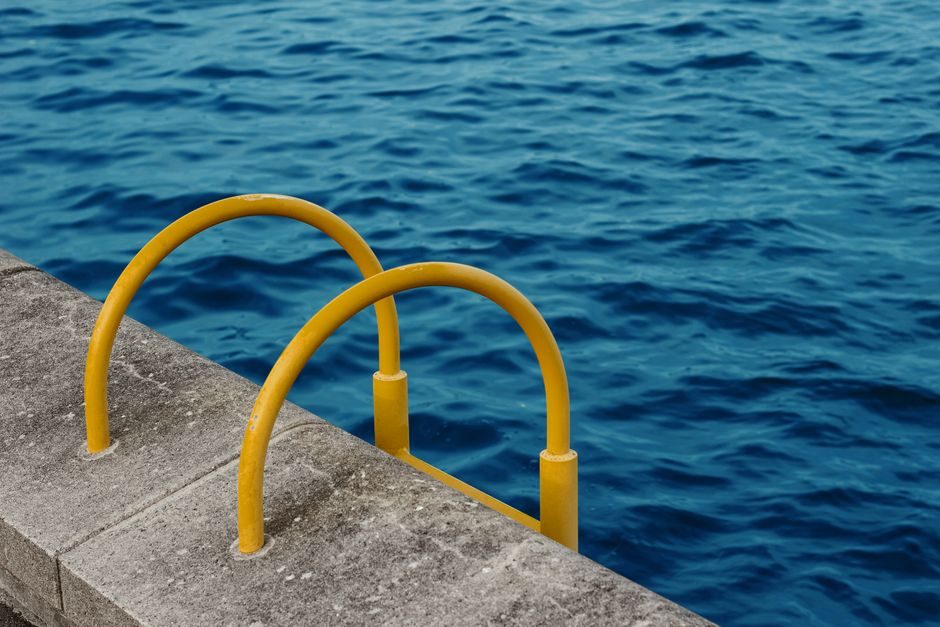
Inspect the route to the pool for loose paving, sharp edges, slippery surfaces and obstacles, then arrange repairs before guests arrive. Check that gates, latches and any other barriers work as intended, and make sure the pool area is well lit after dark. A visual check should include the waterline and surrounding deck.
Keep appropriate rescue equipment accessible and make sure guests can identify it quickly. Check that poolside electrical fittings and outdoor lights are in sound condition, and secure chemicals away from children and visitors. If a safety feature is missing or faulty, restrict access to the pool until it has been put right.
Explain the pool’s depth, any sudden changes in depth and the location of steps or ladders. Do not rely on guests to infer these details from appearance, especially if the water is clear or the pool has an unusual shape. Use visible signs where needed, and repeat essential information in the arrival guide.
Set Clear Pool Rules
Give guests concise pool rules before arrival and display them somewhere easy to see near the water. Cover supervision of children, glassware, running on wet surfaces and the hours when noise should be kept low. Explain the reason for any unusual restriction so it feels practical rather than arbitrary.
Tell guests whether the pool is private to their booking, shared, heated or seasonally available, and state any relevant limits plainly. If the water is not monitored continuously, say so and explain who handles maintenance concerns. Do not describe the pool as suitable for unsupervised children unless that claim is accurate and supportable.
Provide a simple way to report a problem, such as a cloudy pool, loose fitting or damaged gate. Make clear that guests should stop using the pool if they notice a safety concern and contact the named host or manager. Respond promptly and arrange an on-site check when the issue cannot be safely assessed remotely.
Choose Amenities That Make a Stay More Comfortable
Prioritise Useful Poolside Details
Start with the items guests will reach for after swimming: clean towels, comfortable outdoor seating and a shaded place to rest. Provide a suitable towel supply without implying that indoor linens can be taken outside, and explain where used towels should go. A practical setup keeps wet items from spreading through the villa.
Choose outdoor furniture that is stable, easy to clean and suited to the available space. A table near the pool can make meals convenient, while a shaded seating area gives guests a break from direct sun. Agencies promoting holiday properties for owners may find white label press release distribution useful when coordinating publicity.
Keep basic pool accessories in a tidy, designated place, and check them for wear before each booking. Useful options may include a pool brush or simple cleaning tool for minor debris, but guests should not be expected to perform routine maintenance. Explain which items are for guest use and which should be left to the host.
- Fresh pool towels with a marked storage spot
- Stable outdoor chairs and a shaded seating area
- A table suitable for outdoor meals
- A clear place for wet towels and swimwear
| Choice | Useful for | Preparation |
|---|---|---|
| Pool towels | Swimming guests | Provide clean towels and marked storage |
| Shaded seating | Resting outdoors | Check stability and shade coverage |
| Outdoor dining table | Meals by the pool | Keep it clean and suitably placed |
| Kitchen essentials | Self-catering stays | Test appliances and stock usable basics |
Equip the Shared Living Spaces
Stock the kitchen with the basics guests need to prepare simple meals, including usable cookware, utensils, plates and drinking glasses. Make sure the fridge, kettle and other advertised appliances work, and leave clear instructions for unfamiliar equipment. A small supply of everyday cleaning items helps visitors keep the space comfortable during their stay.
Provide reliable indoor comfort for the season and explain how to use the heating or cooling controls. Curtains or shutters can help guests manage bright sun and maintain privacy, while a working fan can be useful in rooms without air conditioning. Check that each bedroom has convenient lighting and accessible power outlets.
Choose amenities that match the property and its likely guests instead of adding items that are difficult to maintain. A family villa may benefit from a high chair or travel cot if offered, while a group may value enough seating for everyone. State what is available, and confirm its condition before promising it in the listing.
Be precise about bedrooms, bathrooms, sleeping arrangements and the facilities included with the booking.
Describe the Villa Clearly in Its Listing

Set Accurate Expectations
Describe the pool in specific, verifiable terms: its location, whether it is private, the access route and any seasonal or heating limits. Explain the outdoor layout and whether the pool is visible from indoor living areas. Owners preparing listing copy may find options to buy sponsored posts useful when they want to promote a villa to a relevant audience.
Be precise about bedrooms, bathrooms, sleeping arrangements and the facilities included with the booking. Distinguish between features inside the villa and those shared with another property, and disclose steps or access constraints that may matter to guests. Clear descriptions help visitors decide whether the home suits their group before they commit.
Use recent photographs that show the actual property, including the pool, seating, kitchen and bedrooms. Choose images that give a useful sense of scale and show how indoor and outdoor spaces connect, rather than relying only on close-up details. Update the gallery if furniture, facilities or the pool area changes.
Explain Rules and Arrival Details
Put important conditions where prospective guests can find them before booking, including pool supervision expectations, quiet hours and any limits on visitors. Use direct, neutral wording and make sure the same rules appear in the arrival guide. Consistency prevents confusion between what a guest booked and what they encounter at the villa.
State what is included, what guests should bring and how check-in works. If a local contact will meet visitors, say so; if guests collect keys independently, explain that process without exposing private entry details in a public listing. Include the area or nearest settlement accurately so visitors can assess travel and transport needs.
Review the listing whenever the villa changes, not only when you prepare for a new season. Check that amenities still work, photos reflect the present layout and any pool access information remains accurate. A short review before opening booking dates can catch outdated promises and give guests a more reliable basis for planning.
Reach Potential Guests Through Relevant Channels
Choose Channels That Fit
Start with the booking channels used by the guests you hope to attract, then make sure your villa’s details stay consistent across them. A family-focused property may benefit from listings that let you explain pool access, sleeping arrangements and nearby shops. For a villa aimed at longer stays, include practical information about workspaces and transport.
- Match each channel to the type of guest your villa suits.
- Keep capacity, facilities and pool details consistent.
- Review enquiry handling before adding a channel.
Use your own website or social pages to share useful details that booking platforms may not accommodate, such as seasonal pool care or local arrival guidance. Keep the core facts aligned: sleeping capacity, pool dimensions, access arrangements and included services should match everywhere. Clear, current information helps guests compare options and reduces questions before booking.
MediaKit.uk can help owners explore publishing and outreach opportunities beyond their usual booking channels, while the villa’s own listing remains the clearest source for availability and practical details. Choose any additional channel according to the audience it reaches, not simply its reach. Before committing, check what information it displays, how enquiries are handled and whether the property can be represented accurately.
Build Useful Local Partnerships
Local partners can make a villa easier to find and simpler to manage, especially when guests need help after arrival. Consider working with a trusted transfer provider, property manager or nearby activity operator, and agree exactly what each party will tell guests. Provide partners with accurate directions, check-in times and a contact for urgent questions.
A referral arrangement should never imply that an outside service is included in the rental price unless it genuinely is. Explain whether guests book and pay the provider directly, and give them enough information to make their own choice. If a partner’s availability changes, update your welcome materials and listing rather than leaving guests with an outdated recommendation.
Keep a brief record of which channels and partnerships generate suitable enquiries, not just high volumes. Note whether guests understood the property’s location, pool arrangements and house rules before booking. These patterns can reveal where your information needs work or which source brings guests whose expectations fit the villa, helping you spend time on the most useful relationships.
Use Distribution Tools Selectively

Match Tools to Your Message
Choose a distribution tool only when you can explain what you want it to achieve and who should see the message. A property announcement for UK readers, for example, needs a clear reason for their interest, such as a new seasonal opening or a useful change to the guest offer. For owners sharing news with UK media, press release distribution uk is one possible route to consider.
- Set a specific audience and purpose for the announcement.
- Check the outlets and accommodation policies.
- Prepare accurate copy and approved photographs.
- Review the result and record relevant enquiries.
Before paying for distribution, check which outlets or audiences are included and whether the service accepts announcements about holiday accommodation. Ask how the material is presented, what information you must supply and whether the placement is guaranteed. A broad list of recipients is not automatically useful if the message is irrelevant to their readers.
Prepare a concise, factual announcement with the villa’s location, genuine facilities and a way to make an enquiry. Avoid claims such as “perfect for everyone,” which tell a prospective guest little and may create the wrong impression. Use current photographs and verify permissions before sharing images, especially if identifiable guests, staff or neighbouring properties appear.
Check Terms Before Committing
Read the service terms before submitting property details or paying for promotion. Confirm what the fee covers, whether your content may be edited, and how long a placement or listing remains active. Check who owns the submitted photographs and copy, and whether you can request corrections if the published version contains an error.
Treat promised exposure cautiously unless the provider explains how it is measured and what evidence you will receive. Ask whether reporting shows actual publication, audience information or simply that material was sent. If a tool requires you to share guest data, stop and check that you have a legitimate reason and suitable permission before proceeding.
Compare any paid option with practical improvements to your own listing, such as clearer pool photographs or better arrival instructions. Promotion can bring more visitors to a page, but it cannot correct misleading descriptions or missing information. Decide in advance what a useful result would look like, then review whether the activity produced relevant enquiries rather than attention alone.
Avoid Common Listing and Guest-Experience Mistakes
Prevent Mismatched Expectations
Describe anything that could affect a guest’s decision plainly, including shared boundaries, steps to the pool and any nearby noise. A photograph can make a pool look larger or more private than it is, so use accurate angles and explain relevant sightlines in the description. Owners comparing ways to raise a property’s profile can consider a guest posting service as one promotional channel.
Do not imply that a feature is available throughout the year if it depends on weather, maintenance or an extra charge. State any seasonal limits, pool heating arrangements and conditions for using outdoor equipment. If a facility is temporarily unavailable, update the listing and tell confirmed guests promptly, offering a clear explanation rather than leaving them to discover it on arrival.
Check that photographs and written descriptions show the same property and current condition. Remove images of replaced furniture, altered pool surrounds or amenities no longer provided. A quick review before each booking season can catch small inconsistencies, while a second person can often spot confusing wording that the owner has learned to overlook.
Make Arrival Instructions Unambiguous
Give guests arrival instructions they can follow without guessing, including the correct entrance, parking location and a reliable method for collecting keys. If the villa is difficult to find, provide a map pin alongside written directions and landmarks that remain visible after dark. Tell guests whom to contact if they arrive late or cannot access the property.
Explain pool rules before arrival, not only on a sign beside the water. Guests should know whether children need supervision, which covers or gates must be secured, and whether glass is prohibited near the pool. Keep the instructions consistent across the listing, welcome message and property, and use simple wording that international visitors can understand.
Avoid sending a long block of messages that buries essential details among recommendations. Separate arrival, pool and emergency information, and place the most urgent guidance where guests can find it quickly. Test the process yourself by following the instructions as a first-time visitor, checking that access codes, contact details and directions are current.
Keep the Villa Ready Between Bookings
Plan Turnover and Pool Checks
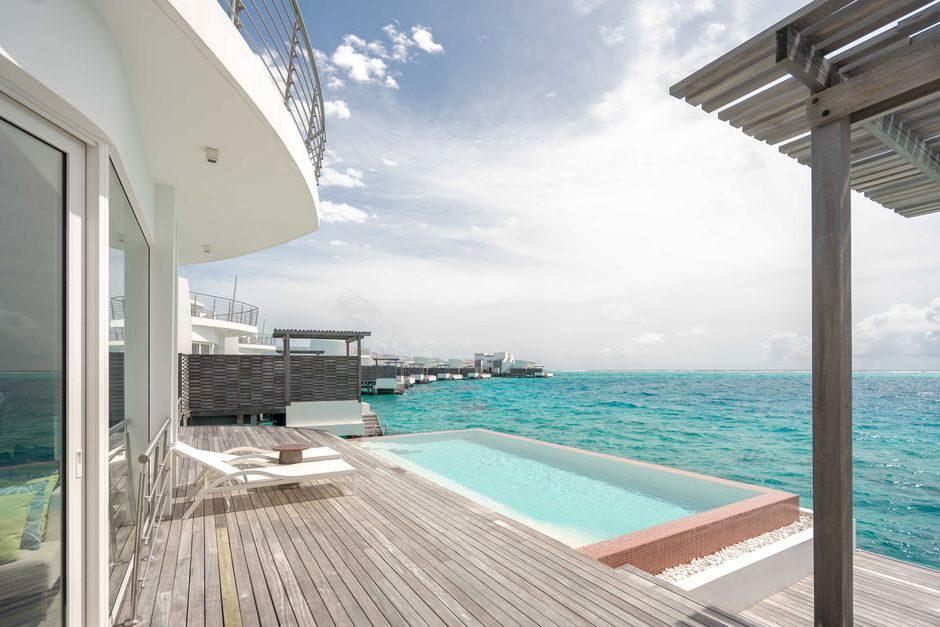
Use a written turnover routine so cleaning and pool checks do not depend on memory during a busy changeover. Assign responsibility for checking the water, removing debris, confirming that safety equipment is present and making sure access gates work as intended. A marketing agency directory may help owners find professional support for presenting and promoting a villa listing.
Set the turnover schedule around the time needed to clean, inspect and resolve problems before the next arrival. If a pool issue cannot be fixed in time, contact guests with an honest update and explain the practical effect on their stay. Do not describe the pool as ready until the responsible person has checked it and confirmed that it is safe to use.
Keep basic maintenance supplies in a secure, clearly designated area that guests cannot mistake for household products. Record recurring faults, such as a loose gate latch or a slow drain, and arrange repairs rather than relying on a temporary workaround. A simple log helps owners and local managers pass on outstanding tasks between bookings without losing important details.
Prepare for Changing Conditions
Keep the property ready for conditions that can change between bookings, including strong sun, wind-blown debris and occasional heavy rain. Check outdoor furniture, umbrellas and loose objects, and store or secure items when weather makes them unsafe. Make sure guests know how to use any shade and where they can shelter if outdoor conditions deteriorate.
Review supplies according to actual use rather than leaving the same quantities in every cupboard. Replace worn pool towels, check that outdoor lighting works and replenish cleaning essentials for the next turnover. Store chemicals and tools securely, away from guest areas, and follow product directions instead of transferring substances into unlabelled containers.
Before each arrival, walk through the villa as a guest would, from the entrance to the bedrooms and pool. Look for practical snags such as a stiff door, missing light bulb or unclear switch, and deal with them while the property is empty. This final check supports a smoother stay and gives the owner a chance to correct small problems before they become complaints.
Frequently asked questions
How often should a private pool be checked during a guest stay?Follow the pool professional’s maintenance advice and any local requirements, and make sure the water and surrounding area are checked as often as needed to remain clean and safe. Tell guests whether staff may need access and when visits are expected. If a check reveals a problem, restrict use until it has been assessed and resolved, and communicate the change promptly.
Should pool rules appear in the booking listing?Yes. Put decision-relevant rules in the listing, including supervision expectations, access restrictions and any limits on pool use. More detailed operating instructions can go in the welcome information and beside the pool, but guests should not have to book before learning about a significant restriction. Keep the wording consistent in every place so instructions do not conflict.
What should owners do if the pool becomes unavailable before arrival?Tell booked guests as soon as you know, explain the cause and the expected effect on their stay, and avoid promising a repair time you cannot confirm. Check the booking terms and applicable obligations, then discuss the available options clearly with the guest. Update the listing for future bookings until the pool has been checked and is genuinely ready for use.
How can a villa owner check whether a listing is clear?Ask someone unfamiliar with the property to review the listing and explain what they think is included, how private the pool appears and what arrival will involve. Compare their understanding with the actual arrangements. If they miss an important limitation or misunderstand a facility, revise the wording or photographs, then check that the same information appears in guest messages.
A Reliable Welcome Starts Before Arrival
A guest-ready private-pool villa depends on more than clean rooms and attractive photographs. Accurate descriptions, clear arrival guidance, well-explained pool rules and a repeatable turnover check all help guests understand what they are booking and use the property with confidence. Choose promotional channels carefully, but keep the villa’s own information current and truthful wherever prospective guests encounter it.
Before the next booking, walk through the arrival process as if you had never visited, then inspect the pool, outdoor area and essential instructions. Write down any repairs or unclear details and assign someone to resolve them before check-in. That practical review creates a stronger foundation for a comfortable stay than adding promotion to a listing that still leaves guests guessing.

Add Turkey Villas as a preferred source on Google


