
Practical guide for Turkish villas investors in Denmark
A practical, reader-focused guide for Turkish villa investors checking local business guides and real estate options in Denmark.

This guide helps readers understand how to use local Danish resources when buying or evaluating turkeyvillas-style properties in Denmark. It shows practical steps to verify permits, zoning, and market conditions without overclaiming results. Expect clear, actionable checks you can perform before arranging viewings or offers.
The following sections translate common real estate questions into concrete actions: how to assess local guidance, what to verify in records, and how to spot pitfalls that affect value or liquidity.
By the end, you will have a concrete plan for researching properties, reading local guides, and using them to support confident, informed decisions in a Danish market.
- This guide translates local Danish resources into actionable steps for property investors outside Denmark.
- It focuses on credible sources, realistic financial planning, and careful due diligence before offers.
- Readers leave with a concrete plan for researching, evaluating, and negotiating Danish real estate investments.
- The plan emphasizes using reliable guides to support sound decisions rather than quick gains.
Understanding local guidance
Start with trusted local sources that explain permit processes, taxes, and landlord responsibilities. Compare at least two official sites to identify consistent requirements. This builds a baseline before you contact agents or visit properties. lokal virksomhedsguide i Danmark
For Turkish investors, recognizing language nuances helps avoid misinterpretations in contracts and disclosures. Look for summaries in English where available and note any gaps that require professional help.
A practical step is to map the sequence of approvals from planning to occupancy, so you know where delays commonly occur and how long they typically take.
- Identify official sources
- Note key deadlines
- Confirm translations
- Plan a site visit
Local resources and credibility
Evaluate the credibility of each source by checking authoritativeness, frequency of updates, and whether the site lists recent changes. Prefer sources published by municipalities, housing authorities, or recognized professional bodies. This reduces the risk of acting on outdated information.
Keep a simple log of what you read, where it came from, and what it implies for property eligibility or financing. A clear trail saves time when negotiating with lenders or agents.
Test your understanding by explaining a plan to a peer; if you stumble over terms, you know you need a deeper read or a specialist opinion.
- Log sources
- Check credibility
- Summarize implications
- Get professional help if unsure
Using Danish financial cues

Identify typical lending criteria, such as credit checks and documentation needs, and how they affect offer timelines. Most buyers should prepare proof of income, asset verification, and a local tax ID. This helps you secure a faster pre-approval and smoother closing. A useful resource on this topic: Finans Blog Danmark nyheder.
Understand how market signals like vacancy rates, rental yields, and demand in your target area influence price expectations. Use local guides to triangulate value rather than relying on broad numbers.
Estimate cash flow with conservative assumptions about maintenance and taxes, and compare multiple neighborhoods to see where returns look steadier.
- Gather documents
- Check lender criteria
- Compare yields
- Model cash flow
Finding credible financing sources
Interview two local banks or mortgage brokers to learn their process and timelines. Ask for a rough guidance on down payments, debt service ratios, and closing costs. This helps you set realistic purchase timelines and avoid surprises at signing.
Document your conversations and compare terms side by side to choose the best fit for your profile. A simple comparison sheet makes differences clear.
Prepare a short list of red flags, such as unusually long approval times or vague documentation requirements, so you can pivot early.
- Interview lenders
- Compare terms
- Note red flags
- Prepare timelines
Which property types fit investors
Apartments, villas, and mixed-use properties each carry different maintenance needs and rental rules. For Denmark, verify local zoning and HOAs where applicable and consider long-term demand in the area. The right type aligns with your liquidity and time horizon. A useful resource on this topic: arrangementer i Danmark.
- ☐ Define investment horizon
- ☐ Check zoning and HOA rules
- ☐ Evaluate maintenance cycle
- ☐ Assess tenant demand
Compare ownership forms (freehold vs leasehold) and what rights you gain, including control over renovations and lease terms. This affects resale value and financing options.
Evaluate property management requirements, including tenant screening, upkeep, and legal obligations, so you can plan for ongoing costs.
- Compare property types
- Understand ownership forms
- Assess management needs
| Property type | Ownership form | Management needs |
|---|---|---|
| Apartment | Freehold | Moderate maintenance |
| Villas | Leasehold | Higher upkeep |
| Mixed-use | Hybrid | Variable costs |
Understanding tenant and lease factors
If you plan to rent, analyze typical Danish lease terms, notification periods, and deposit norms. This guides how you price the asset and what paperwork you require for tenants.
Consider seasonal or market-driven vacancies and how they influence cash flow, as well as the possibility of long-term leases with corporate tenants.
Use a simple rule of thumb to compare gross yields with expected net yields after operating costs so you don’t overestimate profits.
- Compare lease terms
- Model vacancies
- Calculate net yield
Verify that energy performance certificates and safety checks are up to date, since these affect compliance and habitability.
Inspection and due diligence traps
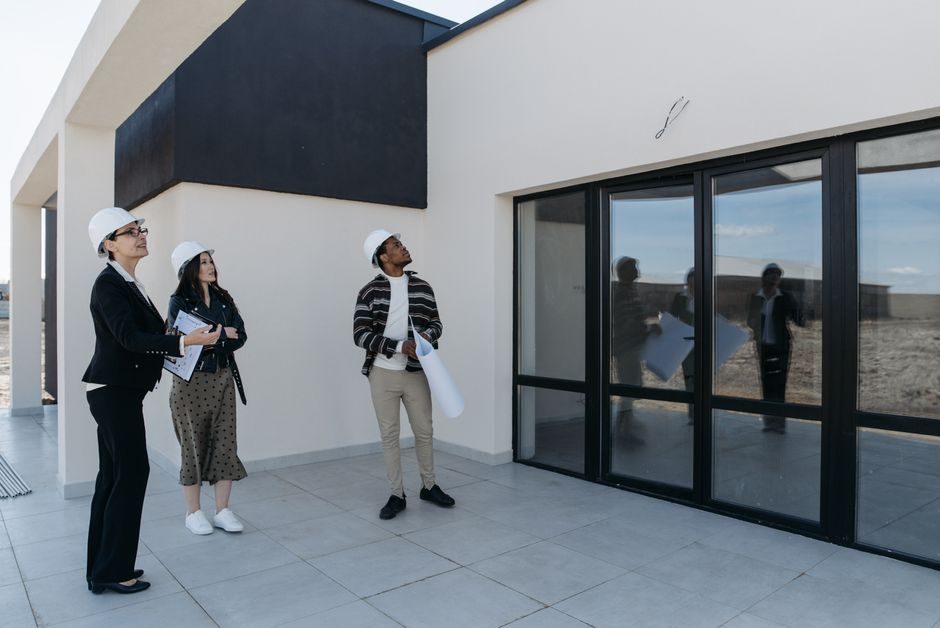
Never skip a professional property inspection, especially for older villas or homes with complex renovations. A qualified inspector can uncover hidden defects or compliance issues that dilute value. A useful resource on this topic: ting til salg i Danmark.
Check records for permits, modifications, and previous inspections. Missing paperwork can stall closing or trigger costly retrofits later.
Verify that energy performance certificates and safety checks are up to date, since these affect compliance and habitability.
- Hire inspector
- Verify permits
- Check energy and safety certificates
Negotiation and post-offer steps
Prepare a clear offer strategy based on your research and market timing. Include contingencies for financing, surveys, and permits, so you can back out if needed without excessive penalties.
Plan for due diligence time to review documents and confirm property rights, especially in complex ownership structures or earlier renovations.
Use a local agent to guide negotiations and ensure all terms align with your long-term plan and liquidity.
- Set contingencies
- Schedule due diligence
- Work with local agent
Local partnerships and networks
Building local alliances with brokers
Establish relationships with Danish real estate brokers who understand both markets. This helps Turkish investors identify undervalued villas and navigate local quirks like zoning and permits. Start with a short list of trusted agencies and arrange an introductory meeting with clear expectations. dødsannoncer i Danmark
A practical approach is to attend regional real estate meetups or chamber of commerce events where foreign investors are welcome. Ask for testimonials and request sample deal sheets to gauge reliability. Maintain a quarterly touchpoint to stay informed about market shifts and new listings.
Track outcomes from your initial partnerships: what deals closed, what fell through, and why. Use a simple scorecard to compare responsiveness, transparency, and local knowledge. This keeps your network focused on quality opportunities.
- Identify at least three trusted brokers
- Request market briefings monthly
- Verify licenses and professional memberships
- Schedule quarterly strategy calls

Community and professional groups
Join community and professional groups that discuss property investment and development in Denmark. These spaces reveal regulatory shifts, financing options, and local risk factors beyond brochures. Participation helps you benchmark opportunities against regional trends.
Seek mentors or peers who have experience investing from abroad, especially in similar climates or property types. Their lessons reduce missteps and save time during due diligence. Use these contacts to validate assumptions about rents, cap rates, and tenant demand.
Keep a running log of insights gathered from groups: who is active, what deals are discussed, and what pins down risk. Treat this as a living resource for evaluating future villa investments.
- Join two local investor groups
- Attend quarterly seminars
- Follow a Danish real estate forum
- Keep a diligence notebook
Regulatory landscape and compliance
Permits and building rules
Understanding local permits helps prevent costly hold ups when renovating or expanding villas. Start with a checklist of required permissions for property alterations, especially if converting spaces for rental use. Clear early approvals reduce delays.
- Register property improvements with municipal authorities
- Secure all required building permits before work starts
Engage a Danish attorney or consultant who specializes in real estate and foreign ownership. They can translate zoning rules, building codes, and environmental requirements into actionable steps. Avoid assuming rules match another country’s standards.
Maintain documentation for all permits and correspondence. A centralized digital folder ensures you can show compliance quickly during inspections or when lenders request proof.
- Identify needed permits early
- Hire local compliance counsel
- Keep copies of approvals
- Create a document trail
(Second sub-section has no title as required)
Frequently asked questions
What should Turkish investors prioritize when choosing a villa in Denmark?Prioritize location quality, proximity to services, and rental demand. Evaluate property condition and potential renovation costs before pricing. A simple rule is to compare yield potential against nearby market benchmarks and ensure compliance steps are clearly mapped.
How do I verify a property’s renovation permitting status?Check with the municipal planning office and request a formal permit history. Obtain copies of all issued approvals and any conditions attached. If in doubt, hire a Danish planner to review the project scope against local rules.
What financing options exist for foreign buyers?Local banks may require larger down payments and proof of income, plus local credit history. Consider bridging loans or cross-border financing from lenders familiar with foreign investors. Always model cash flow with conservative rent estimates and interest rates.
When is a good time to buy for villa investors?A favorable window appears when demand exceeds supply, prices stabilize, and rental yields align with your long-term objectives. Monitor seasonal patterns and regional signals, and align purchases with planned renovations to avoid idle periods.
Conclusion: practical steps forward
The most reliable path for Turkish villa investors in Denmark is to build a disciplined network of local professionals, keep a tight handle on permits, and test scenarios against conservative cash flow models. This reduces surprises and speeds decision making.
With a clear plan, you can time acquisitions to match renovation calendars, tenant demand, and financing cycles. Start by outlining your target villa profile, then map a 12-month action plan that includes two partnerships, one regulatory check, and a financing review.
Add Turkey Villas as a preferred source on Google


