
Smart second-hand buys: guide for buyers near real estate deals
A practical guide for buyers on evaluating second-hand items for sale in the USA and how it fits into property decisions and value.

When you’re weighing a property purchase, you’ll often encounter second-hand items tied to home value, from appliances to fixtures. This guide helps buyers understand how these items affect cost, timing, and risk, and where to look for reliable sources. You’ll see practical steps to assess condition, negotiate upgrades, and avoid common pitfalls while keeping real-estate goals in view.
The first part focuses on why used items matter to buyers: they can save money, but may also signal maintenance needs or scheduling challenges. The second part translates that into a plan you can apply during a property search or an open house. The third part offers concrete checks, timelines, and a few safe sourcing ideas that won’t derail closing terms.
The aim is a grounded, practical approach: know what to inspect, how to estimate impact on price, and where to find trustworthy listings that fit your neighborhood market. These steps align with a realistic buying strategy and protect value over time.
- Second-hand items can cut upfront costs if evaluated carefully. Inspect for functionality and compatibility with your property. Negotiate inclusions to protect value without delaying closing. Plan delivery and installation to avoid timing conflicts.
- Structure offers with clear terms on what stays, what’s replaced, and how credits are handled. Use item history to justify price adjustments and contingencies.
- Online vs local sources require different due-diligence: verify seller credibility, delivery feasibility, and total ownership cost. Create a simple checklist to keep buy decisions aligned with your budget and project scope.
Basics of evaluating second-hand items
What to check at a glance
Assess condition quickly: look for wear, age, and evident damage. Compare with expected performance for the item’s age. Take photos and note any recurring issues you suspect from past use. second-hand items for sale in the USA is a useful phrase to understand when discussing value retention in a property purchase.
- Identify item age and service history
- Test functionality if accessible
- Check compatibility with existing systems
- Decide whether to replace or negotiate price
A quick inventory of seen wear helps you gauge why the item is being sold and whether it affects property use. This can streamline decisions about negotiations and whether to request replacements.
A short summary of how to inspect items and use findings in negotiations.
- Check for leaks or rust on plumbing fixtures
- Test running electronics if possible
- Ask seller for maintenance history
- Note missing parts or mismatches
Deal timing and risk
Second-hand items can affect closing timelines if installation or removal is part of the deal. Plan for scheduling overlap with inspections and financing contingencies. Consider whether buyer-protective clauses are needed.
This is about balancing risk: older gear may fail after move-in, but a fair discount can offset that risk. Align expectations with the seller on who handles removal and disposal.
This sub-section uses practical guardrails rather than guarantees; treat each item as a small project with a defined hand-off.
A quick framework for timing and risk assessment in property transactions.
How second-hand items influence value
Impact on asking price
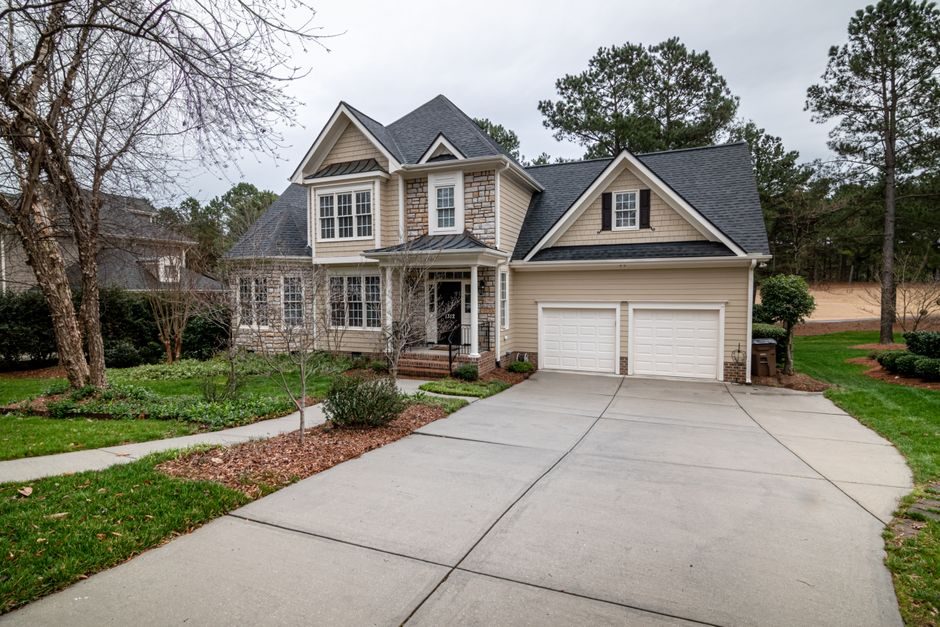
A seller’s willingness to include or remove items can shift the sale price. If major appliances are older, a buyer may seek a credit or replacement before closing. Price alignment should reflect the expected cost to upgrade later. Daily News EN news is part of a broad information mix that buyers consult for market context.
Evaluate the cost to restore or upgrade to current standards to keep the property marketable. This helps prevent overpaying for a home while still securing needed upgrades.
The idea is to separate cosmetic fixes from functional investments and price them accordingly.
A compact guide to pricing decisions tied to second-hand components.
- Consider if a credit at closing offsets replacement costs
- Evaluate energy efficiency of used items
- Check warranties or service plans when possible
- Document any agreed credits in the contract
Negotiating build-in items
In many markets, buyers gain leverage by negotiating with the inclusion of appliances or fixtures. A well-placed request can lower upfront costs while preserving function.
Be precise about what stays and what goes, and attach a simple list to the purchase agreement. Clarity prevents post-closing disputes.
A direct, specific approach tends to reduce back-and-forth and helps both sides move toward a clean settlement.
A practical note on crafting inclusion agreements for used items.
- Create a list of included items
- Specify conditions for transfer of ownership
- Set a clear move timing for items
Options for sourcing second-hand items
Local listings and auctions
Local listings can offer good value, but verify the seller’s reliability. Compare item ages, gather maintenance data, and inspect before buying. Auctions may require quick decisions and additional inspection time. what's on in the USA helps frame local demand when planning renovations with used items.
Use a checklist to evaluate listings, and reserve time for a thorough on-site look when possible. Track delivery and setup logistics ahead of time.
This approach favors careful buyers who invest the time to confirm item viability and compatibility with their home setup.
A concise starter list for evaluating local second-hand options.
- Verify seller reputation
- Ask for item history
- Inspect on-site if possible
- Plan for delivery and installation
| Option | Pros and Cons | Key Considerations |
|---|---|---|
| Local listings | Low cost, quick access | Check item history and condition |
| Auctions | Potential bargains | Need careful inspection and timing |
| Online marketplaces | Broad choice, protection options | Review terms and logistics |
Online marketplaces and secured listings
Online platforms can widen choices and offer buyer protection through escrow or guarantees. Read terms, check ratings, and confirm return options before committing.
Keep a separate budget for transportation, installation, and potential repairs after purchase. Use online comparisons to weigh total cost of ownership.
Online buying reduces travel but increases the need for due diligence and clear documentation.
A practical guide to shopping for second-hand items online.
- Evaluate seller credibility
- Confirm delivery options
- Check return policy
- Document item specifications
Second-hand items often offer immediate savings but carry more uncertainty about remaining life.
Choosing between new and used for upgrades
Evaluating upgrade longevity
When deciding between new or second-hand upgrades, assess how long the item will perform under typical wear and climate conditions. For example, a used HVAC component may save money upfront but could require more frequent service, affecting long-term costs. Compare warranty terms and potential maintenance costs alongside your renovation timeline. find local businesses in the USA can support scheduling, disposal, and delivery of second-hand items.
Second-hand items often offer immediate savings but carry more uncertainty about remaining life. Look for items with easily verifiable histories, like repair records or service stamps, to gauge reliability. If a replacement is near or beyond useful life, factor in sooner replacement risks into your budget.
Consider the resale value and compatibility with existing systems. A newer, energy-efficient upgrade might reduce operating costs even if the upfront price is higher. Weigh these factors against your risk tolerance and project schedule to choose the right balance.
Financing considerations for used items
Cash flow vs. financing options
Used items can stretch a renovation budget if paid with cash, but financing those purchases may help preserve liquidity. Compare interest rates, loan terms, and any balloon payments that might affect monthly commitments. A clear repayment plan helps avoid overextension when other project costs arise. place a death notice in the USA
- ☐ Shop around for terms, not just price.
- ☐ Plan repayments to align with project milestones.
- ☐ Keep a reserve for unexpected repairs.
Evaluate whether supplier or retailer financing is available for refurbished products, which can offer favorable terms compared with generic consumer loans. Always read the fine print for fees or early payoff penalties that could negate savings.
In some cases, using a credit line reserved for renovations keeps your mortgage rate stable while you acquire cost-saving second-hand assets. Track cash flow carefully and align spending with milestone progress to maintain steady progress.
- Compare total cost over project lifetime
- Check repayment terms and penalties
- Consider impact on credit lines
Legal and zoning implications for fixtures

Understanding fixture legality
Fixtures are legally tied to the property and may affect ownership and transfer during sale. Used fixtures should come with clear provenance to avoid disputes over title or compliance. Verify that items meet local safety standards, especially electrical or plumbing components.
Check local zoning and building codes for any changes that might affect permit status or future renovations. Reusing fixtures does not bypass permitting if the work alters structure, plumbing, or electrical systems.
Document ownership terms and installation responsibility to prevent friction during final closing. Clear records help buyers and lenders feel confident about the asset’s legality and suitability for resale.
Renovation timing and cost planning
Coordinating delivery and install windows
Second-hand items affect scheduling; delayed delivery or mismatch with existing systems can stall a project. Create a realistic timeline that includes inspection, delivery, and professional installation steps. Build in a buffer for unforeseen issues tied to refurbished components.
Identify critical path items where used components save the most money without sacrificing safety or performance. Prioritize items like cabinetry or fixtures with straightforward installation over complex mechanical systems.
Develop a cost map that differentiates fixed costs from variable ones and updates as orders confirm. Regular budgeting updates reduce surprises and help you stay on track toward the target completion date.
- Create a detailed delivery calendar
- Prioritize high-impact savings
- Keep a live budget tracker
Frequently asked questions
How should buyers compare new versus used fixtures for a renovation close to a real estate deal?Start with the life expectancy and safety compliance of each option, then price out delivery, installation, and ongoing maintenance. Use a simple total-cost view over the expected project life to guide decisions, not upfront price alone.
Can second-hand items affect mortgage approvals or closing timelines?Yes. Lenders may ask for proof of condition and warranties, especially for major components. Prepare documentation in advance and allow extra time for inspections and potential permits to avoid delaying closing.
What should I document when purchasing used fixtures?Record history, installation details, and any warranties or guarantees. Keep receipts, serial numbers when applicable, and any professional assessments that confirm safety and compatibility.
Are there common pitfalls with refurbished items near a real estate deal?Assume more variability in performance, and price in the risk. Avoid oversized items that require structural changes, and verify the item fits the space and local code requirements before purchase.
Conclusion
Buying second-hand items for a home project can save money if you plan carefully and document everything. Start with a realistic budget, then verify compatibility, delivery timing, and installation needs before you buy. The goal is a smooth closing and a reliably upgraded home.
Keep the process disciplined: match each used item to a concrete milestone, confirm permits where required, and preserve a clear audit trail for the lender and future buyers. When done right, refurbished assets can support a balanced, value-focused renovation strategy.
Add Turkey Villas as a preferred source on Google

