
Understanding death notices in the USA: what it means for buyers and investors
Practical guide for readers of a real-estate site: how death notices in the USA can affect property records, probate, and market timing.

When you read about property in the USA, you may encounter references to death notices in the USA. These notices can affect title checks, probate timelines, and how quickly a sale can close. This explainer shows why they matter to buyers, sellers, and investors and how to handle them in real estate diligence.
First, know what a death notice is and where it appears in public records. It signals potential probate activity, changes in ownership, or unsettled claims. Understanding its implications helps you assess title risk and plan a smoother closing.
Next, we outline practical steps you can take now—what documents to request, who to contact, and how to interpret timelines—so you can protect your interests without delaying a deal.
- Death notices can affect title clarity and probate timelines. Identify the notice type, source, and relevance early.
- Diligence should include a documents bundle, a clear communication plan, and lender coordination.
- Plan for probate delays; coordinate with agents, attorneys, and lenders to keep a deal on track.
Basics of notices and records
What death notices indicate
Death notices alert prospective buyers to possible probate or transfer issues tied to a property. They can affect title clarity and the chain of ownership. Investors should note which notices are recent and how they relate to deeds. death notices in the USA
- Death notices flag potential probate steps
- They may affect how a title is cleared
- Work with a title professional early
- Document everything for closing
- Identify the type of notice and its source
- Check dates to gauge urgency
- Match notices to current ownership
- Consult a title professional for interpretation
Where to find them
Public records offices, courthouses, and county clerks often host notices tied to real estate. Some counties publish searchable online indexes, while others require in-person requests.
- Search by parcel number
- Note property address and owner names
- Record the filing date for timeline estimates
- Ask for certified copies for due diligence
Why they matter to a deal

Impact on title and closing
A death notice can indicate pending transfers that affect who holds title. Lenders and buyers want a clear chain of ownership before recording a deed. Delays often arise while probate matters are settled. USA news
- ☐ Identify title gaps early
- ☐ Clarify ownership with heirs or executors
- ☐ Plan for potential probate delays
- ☐ Obtain legal opinion when needed
- Check chain of title for gaps
- Verify heirs and executors
- Assess need for probate clearance
- Coordinate with lender requirements
Financial and timing considerations
Probate proceedings can slow or halt a closing, especially when a will or guardianship is involved. Understanding typical timelines helps you schedule inspections and financing. Most buyers benefit from early due diligence rather than last-minute surprises.
- Estimate probate duration
- Prepare contingency plan for financing
- Coordinate tax implications
- Discuss options with your real estate agent
Due diligence steps for buyers
Document checklist
Prepare a bundle of documents: deeds, wills, probate orders, and any court filings related to the estate. Having these ready speeds up title review. Keep copies for yourself and your lender. add an event to the USA events calendar
- Gather all title-related documents
- Secure probate paperwork
- Get lender approval in writing
- Keep originals accessible
- Current deed and chain of title
- Probate orders or letters of administration
- Any sales conditions from heirs
- Court records or notices
| Option | Key advantage | Limitations |
|---|---|---|
| Probate clearance | Directly resolves ownership issues | Can be lengthy and costly |
| Title insurance | Adds protection against defects | Premiums may apply and be limited by policy |
| Quiet title action | Speedier resolution of ownership disputes | Requires legal action and fees |
Communication plan
Reach out early to the seller’s attorney, executor, or the estate’s administrator. Clear communication reduces misinterpretations and helps align timelines. Put agreements in writing and confirm contact points.
- Establish a single point of contact
- Set realistic response times
- Document all requests in writing
- Schedule milestones with your agent
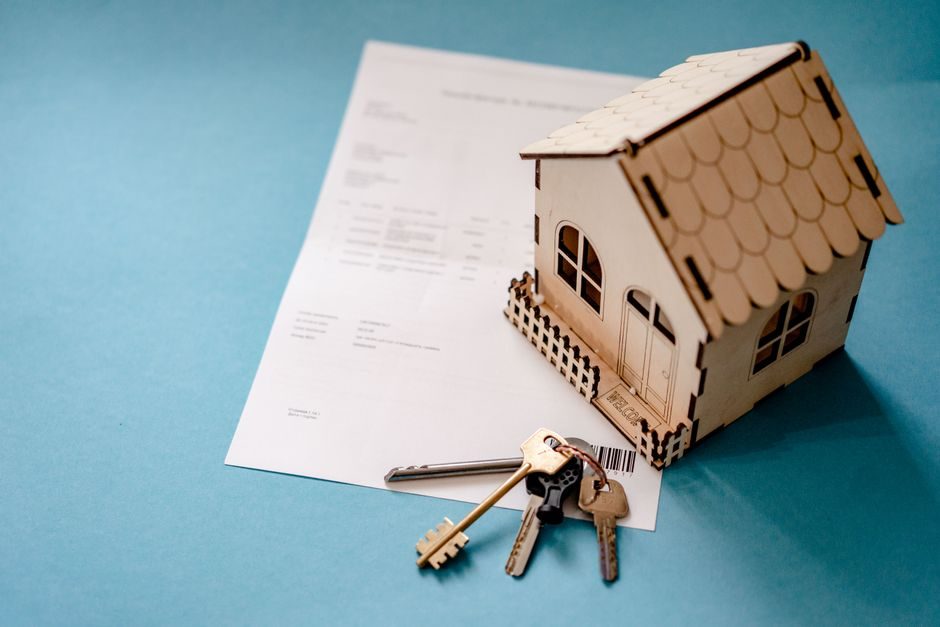
A title search worker can identify gaps, such as heirs or conflicting deeds, that slow closing.
Title clearance strategies
Accessing public records
Begin with public records to confirm ownership and any liens or mortgages. This helps you estimate net value and potential clearance costs before you place an offer. If records show unresolved titles, plan for a title clearance timeline and budget accordingly. add your business to the USA business directory
A title search worker can identify gaps, such as heirs or conflicting deeds, that slow closing. Expect additional documents like death certificates or probate filings to surface in the process. Prepare to coordinate with a title company and legal adviser to resolve issues efficiently.
- Identify liens early
- Check chain of title
- Verify death-related filings
- Prepare clearance budget
- Coordinate with professionals
Probate process basics
Probate timelines and roles
Probate timelines vary by state, and executor duties shape the speed of a sale. Knowing who has authority over the estate helps you time your offer and closing. Realistically, expect some delays if the will or assets require court approval. place an advert in the USA
Understanding who represents the estate reduces miscommunication. Executors may need to review multiple documents and confirm asset inventories before listing properties. This awareness helps you set expectations for market timing and transaction risk.
- Know local probate rules
- Identify executor or administrator
- Anticipate court approvals
- Plan for inventories and appraisals
- Coordinate with attorney
Market timing and risk

Assessing deal risk
Even properties clearing probate carry market risk. Look at neighborhood trends, comparable sales, and time on market to gauge price and timing. A cautious buyer can win by negotiating contingency protections and clear timelines.
Analyze risks beyond price, such as potential tax implications or back taxes that may surface after purchase. This helps you decide whether a deal fits your investment plan. Use a phased approach to due diligence and funding to stay flexible.
If a listing hides probate complications, ask for disclosures and a property history report to avoid surprises.
- Evaluate comps
- Check days on market
- Consider contingencies
- Assess tax outcomes
- Plan phased due diligence
Practical steps for investors
Create a due-diligence playbook
Develop a checklists-driven approach to each probate-related property. Start with ownership history, then verify debts and any pending court actions. A clear plan reduces miscommunications and accelerates decision-making.
Document requests should be organized: title reports, probate filings, tax histories, and any appraisal notes. Use a shared folder for your team to track status and next steps.
When in doubt, pause to confirm a crucial item with your attorney before proceeding. A well-timed pause can prevent costly mistakes later.
- Create a standard checklist
- Gather key documents
- Assign responsibilities
- Track progress transparently
- Consult legal counsel as needed
Frequently asked questions
How does probate affect closing timelines?Probate can extend the closing timeline because court approvals and asset inventories must be completed first. Buyers should plan for a longer escrow and include suitable contingencies. A clear plan helps manage expectations and protect deposits.
What should buyers disclose in offers on probate properties?Disclosures should cover known defects, title concerns, and any probate-related delays. Clear communication helps all parties align expectations and reduces the chance of renegotiation after inspection.
Are there financing considerations unique to probate properties?Some lenders require specific documentation or reserve funds for potential title issues. Having pre-approved financing and a documented plan for clearing title can streamline underwriting and reduce surprises.
Can a seller still market a probate property before clearance?Yes, but buyers should insist on favorable contingencies and a documented path to title clearance to protect their deposit and legal rights. This helps prevent last-minute withdrawals.
Practical next steps for buyers and investors
Begin by mapping the probate timeline against your purchase goals, then build a checklist that matches state requirements. This helps you decide which properties fit your strategy without overspending on due diligence.
Then assemble a small, trusted team—agent, attorney, and title professional—to create a reliable clearance plan, with clearly defined milestones and communication rules. This reduces friction when decisions are needed.
Add Turkey Villas as a preferred source on Google


